


What Should You Eat for a Hairline Fracture?

Individuals with bone fissures (hairline fractures) should consume more foods rich in calcium and vitamins to promote rapid bone healing. So, what foods are beneficial for bone fissures?
What Foods Are Beneficial for Bone Fissures?
Patients with bone fissures may regularly consume foods rich in vitamin C, vitamin D, calcium, phosphorus, and other essential nutrients—such as beef, eggs, soy products, fresh vegetables, and fruits—to support gradual fracture healing. Consistent intake of these nutrient-dense foods is recommended to accelerate recovery.

In addition to dietary adjustments, patients with bone fissures should also engage in appropriate rehabilitation exercises. While avoiding weight-bearing, regular contraction and relaxation of muscles surrounding the fracture site can enhance local blood circulation and improve blood supply to the injured area—thereby facilitating fracture healing. Furthermore, moderate sun exposure is advised, as it promotes endogenous vitamin D synthesis, which supports bone recovery.
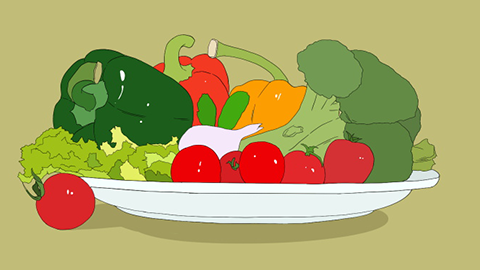
Milk is a high-protein food. Drinking milk regularly helps promote natural bone repair in patients with bone fissures. It also replenishes calcium, helping prevent leg cramps caused by calcium deficiency, and supports callus formation. Tomatoes are rich in vitamins and contain dietary fiber, both of which effectively aid wound healing and boost overall physical resilience. When resting at home, patients should position their limbs comfortably—ideally elevating the affected limb—to facilitate venous return and expedite skeletal recovery. We hope this information proves helpful!


