


Why doesn’t tinea manuum (hand fungus) look like normal skin after it has healed?

In daily life, failure to maintain proper hand hygiene can easily lead to fungal infections. Such infections often manifest as tinea manuum (hand fungus). After successful treatment of tinea manuum, why does the affected skin not immediately return to its normal appearance?
Why doesn’t the skin look normal after tinea manuum has resolved?
The skin may appear different from normal skin even after tinea manuum has improved, primarily due to post-inflammatory hyperpigmentation that occurs during the initial phase of recovery. Over time, this discoloration gradually fades, and the skin color typically returns to normal. Therefore, there is no need for excessive concern—recovery is a gradual process, and visible improvement does not occur instantaneously. Tinea manuum is mainly caused by dermatophyte infection (e.g., Trichophyton species) and is transmissible through direct contact; thus, appropriate preventive measures should be taken in daily life.

Topical antifungal agents such as ointments or creams containing ketoconazole, sertaconazole, or clotrimazole are considered first-line treatments for tinea manuum. Traditional Chinese medicine (TCM) therapies may also yield favorable results. To achieve complete cure, patients must identify the underlying cause and receive targeted treatment. Options include topical antifungals alone or in combination with antihistamines, or topical salicylic acid ointment. If symptoms fail to improve with topical therapy, systemic (oral) antifungal medications may be indicated.
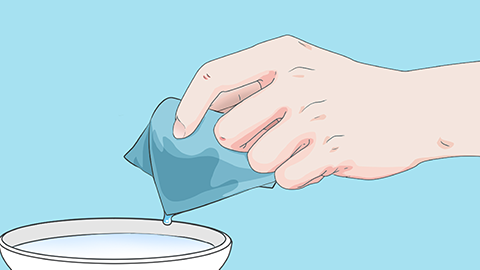
During systemic antifungal therapy, regular monitoring of liver and kidney function is essential. As an adjunctive measure, herbs such as gentian root (Gentiana scabra) or hibiscus (Hibiscus syriacus) may be decocted in hot water (ideally around 40°C), and the resulting herbal solution used for soaking. All therapeutic interventions should be administered appropriately and under professional guidance. We hope this information proves helpful!


