


What to Do for Severe High-Altitude Reaction

A significant proportion of individuals experience severe acute mountain sickness (AMS). If left unaddressed, this condition can seriously compromise health. What should be done in cases of severe AMS?
Management of Severe Acute Mountain Sickness
In cases of severe AMS, immediate oxygen supplementation is essential, and all physical exertion must be discontinued. Oral traditional Chinese medicine (TCM) may also be considered—offering both symptomatic and fundamental treatment that targets the underlying pathology, with highly favorable outcomes. However, prompt consultation at a qualified medical facility remains imperative. Optimal health maintenance relies on adequate intake of vitamins and minerals; therefore, dietary adjustments to bolster immune function are crucial. Adhere strictly to your physician’s prescribed treatment plan, use medications rationally, and actively cooperate with medical care. Avoid self-medicating, as inappropriate drug use may exacerbate your condition.
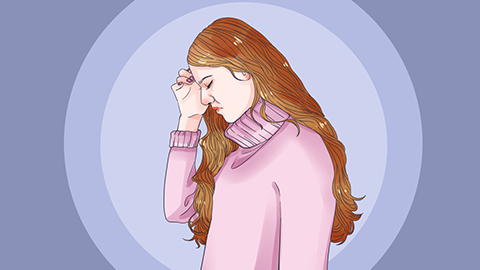
Primary symptoms include dizziness, insomnia, loss of appetite, fatigue, and dyspnea. Manifestations vary depending on individual constitution and may present with differing severity and combinations of symptoms. Headache is the most common clinical feature—typically worsening at night or following strenuous activity. In more severe cases, patients may develop insomnia, vivid dreams, tinnitus, impaired concentration, and other neurological symptoms. Gastrointestinal involvement may manifest as anorexia, abdominal pain, bloating, nausea, and vomiting. Respiratory symptoms include dyspnea, tachypnea, and chest tightness.
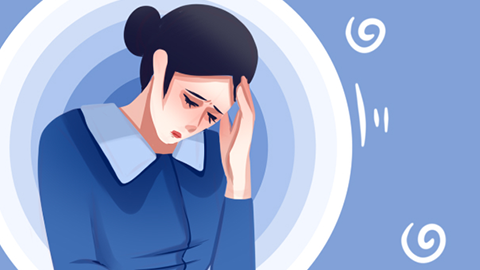
Once AMS occurs, timely intervention is critical to alleviate symptoms and prevent complications. Severe AMS can cause significant physiological harm; thus, high-altitude travel should be avoided until full recovery. We hope this information proves helpful!


