


Efficacy and Mechanism of Action of Norfloxacin Capsules
Apr 25, 2022
Source: Cainiu Health

Dr. Liu Zhengxin
Introduction
Norfloxacin capsules are a broad-spectrum quinolone antibiotic commonly used in clinical practice. Their indications and therapeutic effects include:
1. Urinary tract infections, such as pyelonephritis, urinary tract infections, and gonorrhea;
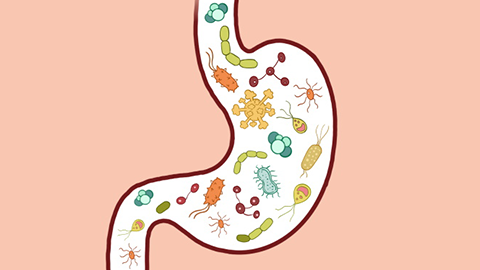
2. Gastrointestinal infections—norfloxacin capsules effectively eliminate pathogenic bacteria, including *Escherichia coli* and *Salmonella typhi*, among other enteric pathogens.
Norfloxacin capsules are a relatively common medication, frequently taken during episodes of “internal heat” (a traditional Chinese medicine concept associated with inflammation or infection). However, many people are not fully familiar with this drug—what exactly are its effects and therapeutic actions?
Effects and Therapeutic Actions of Norfloxacin Capsules
Norfloxacin capsules belong to the quinolone class of antibiotics and possess a broad antimicrobial spectrum. They are widely used in clinical practice. The primary indications and therapeutic effects of norfloxacin capsules include: (1) urinary tract infections, such as pyelonephritis, cystitis, urethritis, and gonorrhea; and (2) gastrointestinal infections—norfloxacin effectively eradicates pathogenic bacteria including Escherichia coli and Salmonella typhi, and is commonly prescribed for acute gastroenteritis.
Adverse reactions associated with norfloxacin capsule administration may occur. Gastrointestinal disturbances are the most common, manifesting as abdominal discomfort or pain, diarrhea, nausea, and vomiting. Central nervous system effects may include dizziness, headache, drowsiness, or insomnia. Hypersensitivity reactions—such as rash, pruritus, exudative erythema multiforme, angioedema, and neurogenic edema—are occasionally observed. A small number of patients may experience photosensitivity. Rare but serious adverse effects include seizures, psychiatric disturbances (e.g., anxiety, agitation, confusion, hallucinations), and tremors.

Maintain healthy lifestyle habits: avoid frequent late-night activity and ensure adequate sleep. Follow a light, easily digestible diet; minimize intake of greasy or spicy, irritating foods. Consume more fresh fruits and vegetables rich in vitamins. We hope this information proves helpful to you!






