


What dietary restrictions should patients with herpes observe?

In daily life, some individuals develop herpes, which can significantly disrupt and impact normal daily activities. What dietary restrictions should patients with herpes observe?
What Are the Dietary Restrictions for Herpes Patients?
Patients should primarily avoid spicy and stimulating foods. Diet should be light and low in salt; avoid seasonings such as ginger, garlic, and star anise. Refrain from consuming leeks, seafood, or other potentially aggravating foods—opt instead for a predominantly vegetarian diet. Ensure adequate fluid intake to facilitate the prompt elimination of metabolic waste products from the body. Additionally, maintain local skin cleanliness and hygiene; apply antiseptic solutions topically as needed. Avoid scratching or applying pressure to affected areas. If exudate is present, gently wipe the area clean with sterile gauze. Targeted antiviral medications or traditional Chinese medicines that clear heat, resolve toxicity, and dispel wind may also be used as appropriate.
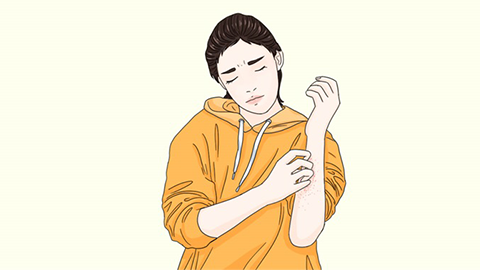
Herpes is a viral infection categorized mainly into three types: herpes simplex, genital herpes, and herpes zoster (shingles). Each type presents with distinct clinical features. Herpes simplex commonly occurs on the face, causing localized pruritus and a burning sensation, followed by the appearance of small, pea-sized vesicles clustered together on the skin surface. Genital herpes primarily affects the external genitalia and perineal region; initial symptoms include itching and a burning discomfort, progressing gradually to the formation of rice-grain-sized vesicles.
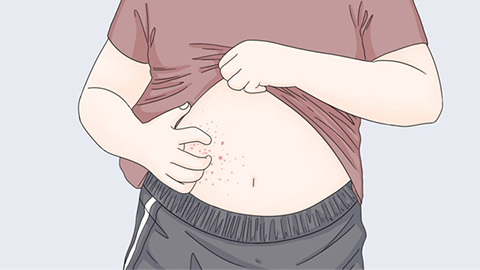
Herpes zoster typically manifests on the thoracolumbar region, limbs, or face, accompanied by prominent neuralgia. Characteristic lesions include small, pea-sized vesicles that remain discrete (i.e., do not coalesce), arranged in a band-like distribution—usually confined to one side of the body and not crossing the midline. Furthermore, individuals experiencing symptoms should seek timely medical evaluation at a healthcare facility and follow their physician’s guidance for appropriate management. We hope this information proves helpful!


