


Symptoms of Acute Polyneuritis

Acute polyneuritis, also known as acute peripheral neuropathy, affects a broad population and can occur at any age, irrespective of gender. It is a common neurological disorder. Its etiology may involve disturbances in nutrition and metabolism, infections, and allergic or hypersensitivity reactions. Following onset, patients commonly experience various uncomfortable symptoms. So, what are the symptoms of acute polyneuritis? Let’s explore them below.
Symptoms of Acute Polyneuritis
1. Autonomic Nervous System Dysfunction
During the acute phase, patients with polyneuritis may exhibit abnormally dry skin and severe skin desquamation. Fingernails and toenails may become brittle and rough. Some patients experience cold extremities, anhidrosis (absence of sweating), or hyperhidrosis (excessive sweating). Orthostatic hypotension may also occur. In severe cases, autonomic dysfunction may manifest as muscle atrophy, diminished or absent deep tendon reflexes, and other related signs.
2. Sensory Deficits
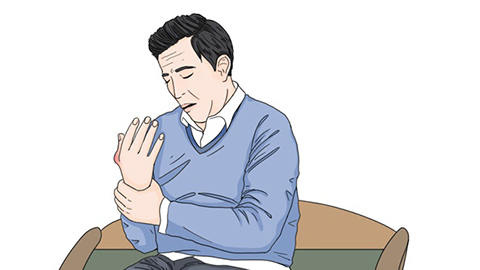
Patients with acute polyneuritis often experience distal sensory loss—typically beginning in the hands and feet—and may report pain in the fingers and toes, along with other abnormal sensations. A small subset of patients may develop facial palsy, facial asymmetry (e.g., drooping of the mouth and eye), bilateral facial numbness, hoarseness, dysphagia, or even respiratory distress following prodromal upper respiratory or gastrointestinal infection.
3. Paralysis
If left untreated or inadequately managed, acute polyneuritis may progress to limb paralysis, accompanied by spinothalamic tract–type sensory deficits. Some patients may also develop hemodynamic instability (e.g., fluctuating blood pressure), tachycardia, electrocardiographic abnormalities, and cardiovascular dysfunction.
The above outlines the characteristic symptoms of acute polyneuritis. We hope this information proves helpful to you.


