How is foot therapy performed?
Apr 25, 2022
Source: Cainiu Health

Dr. Ding Yu
Introduction
When applying pressure to reflex zones, use moderate, sustained stimulation. Mild tenderness is ideal; focus primarily on the most tender spot within each reflex zone. When internal organs become diseased, corresponding reflex zones on both feet may elicit a pricking or needle-like sensation. This type of massage—targeting the soles, medial and lateral aspects, dorsal surfaces, and ankle reflex zones—can be performed as self-massage, manual massage by another person, or mechanical massage using specialized devices.
The soles of the feet contain reflex zones corresponding to all organs and systems throughout the body—including the kidneys. This renal reflex zone is located at the Yongquan acupoint. Foot therapy helps relax both the body and mind. But how is foot therapy performed?
How to Perform Foot Therapy
During foot massage, techniques should be tailored to the individual, with flexible application of pressure. When stimulating specific reflex zones, apply moderate, sustained pressure—ideally producing a mild, tolerable tenderness. Focus particularly on the most sensitive tender points within each reflex zone. When an internal organ becomes diseased, the corresponding reflex zone on one or both feet may elicit a sharp, needle-like sensation. Additionally, ensure the treatment environment is quiet, clean, and well-ventilated. Before beginning, wash the feet thoroughly with warm water and fully relax the body. Prior to massaging each acupoint or pathological reflex zone, locate and assess any needle-like tender points to guide targeted treatment. Within 30 minutes after the session, the patient should drink a glass of warm water to promote smooth circulation of Qi and blood, thereby enhancing therapeutic efficacy.
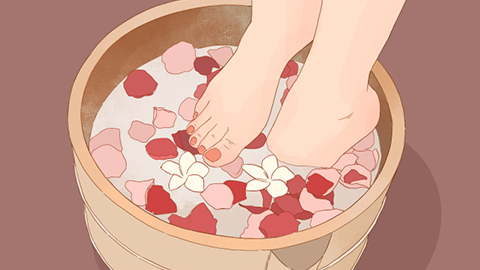
Foot reflexology involves massaging the soles, medial and lateral aspects, dorsal surface, and ankle regions. This can be performed as self-massage, by another person, or using specialized devices. Begin by soaking both feet in warm water (42–45°C) containing an appropriate foot soak solution for approximately 15 minutes—until a mild warming or slight flushing sensation develops. After soaking, gently dry the feet thoroughly, then apply a moisturizing oil before proceeding with targeted massage. Different massage techniques applied to distinct foot areas yield varied therapeutic benefits.

We hope this answer has been helpful to you!