


What topical ointment is best for scrotal eczema?

In daily life, some men neglect genital hygiene, leading to moisture accumulation in the genital area and subsequently developing scrotal eczema—disrupting daily activities and seriously compromising physical health. So, what topical ointment is most suitable for treating scrotal eczema?
Which topical ointment is best for scrotal eczema?
The choice of topical medication for scrotal eczema depends on the clinical presentation of the skin lesions. For newly developed eczema without skin breakdown or exudate, low-potency topical corticosteroid ointments may be used; alternatively, non-steroidal options such as tacrolimus ointment or pimecrolimus cream are appropriate. If skin erosion with exudation is present, wet compresses using a 3% boric acid solution may be applied first to dry the area; once the skin has dried, the aforementioned ointments can then be considered. Chronic, recurrent eczema often leads to lichenification (thickening) of the local skin. In such cases, tacrolimus ointment or pimecrolimus cream is recommended, as both are safe for long-term use. Additionally, moisturizing and emollient skincare products should be incorporated to support skin barrier protection.
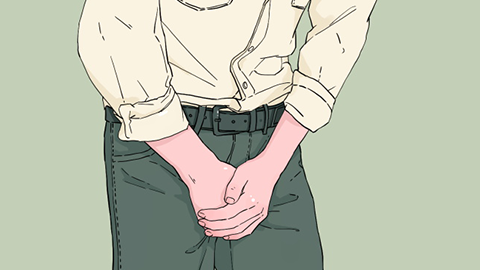
According to Traditional Chinese Medicine (TCM), scrotal eczema arises from prolonged excessive alcohol consumption and overconsumption of spicy, stimulating foods, resulting in internal accumulation of damp-heat. This damp-heat descends to affect the scrotal skin, triggering eczema. Prolonged residence in dark, damp environments also predisposes individuals to this condition. From a Western medical perspective, scrotal eczema is commonly caused by bacterial or fungal infection, particularly in individuals with compromised immunity, allowing pathogenic microorganisms to invade the skin and mucosa. Clinical observation and research indicate that eczema development is associated with factors such as excessive fatigue, exposure to allergens—including soap, animal dander, or substandard undergarments—as well as endocrine imbalances and emotional disturbances. Patients with scrotal eczema should seek timely medical evaluation to identify the underlying cause and receive standardized treatment. During therapy, strict dietary avoidance of spicy and irritating foods is essential; otherwise, symptoms may worsen.
Maintaining good personal hygiene—especially in the scrotal area—and ensuring its dryness are crucial for prevention and health. We hope this information proves helpful to you!


