


What is scrotal eczema?
Apr 26, 2022
Source: Cainiu Health

Dr. Liu Wan
Introduction
Scrotal eczema is a type of eczema confined specifically to the skin of the scrotum, and patients typically experience intense pruritus. The etiology of scrotal eczema is complex, involving both internal and external factors. Internal factors include underlying infectious foci within the body and endocrine dysfunction, among others. External factors encompass lifestyle, environmental and climatic conditions, exposure to chemical agents, and consumption of seafood, among others.
In daily life, some individuals experience scrotal eczema but are unaware of its underlying causes—causing significant disruption to their daily routines, studies, and overall well-being. Moreover, it often imposes considerable psychological stress. So, what exactly is scrotal eczema?
What Is Scrotal Eczema?
Scrotal eczema is a specific form of eczema confined to the skin of the scrotum. Patients typically experience intense, persistent itching. The etiology of scrotal eczema is complex, involving both internal and external factors. Internal contributors include chronic infectious foci within the body as well as endocrine dysfunction.
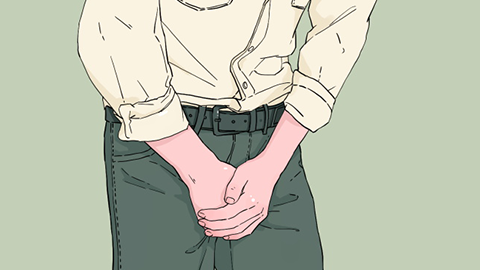
External triggers encompass lifestyle habits, environmental conditions, climate, exposure to chemical agents, and consumption of high-protein foods such as seafood. Individuals with allergic constitutions, those experiencing prolonged mental stress or marked emotional fluctuations, and patients suffering from chronic digestive disorders (e.g., gastrointestinal dysmotility), endocrine abnormalities, or metabolic disturbances are particularly susceptible to developing this condition when exposed to external precipitating factors.
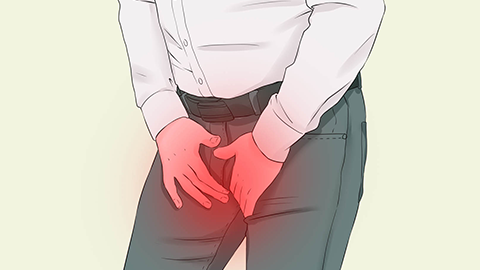
Additionally, in daily life, avoid further local irritation: refrain from scratching the affected area with your hands; avoid washing it with hot water or soap solutions; and do not apply strongly irritating topical medications. Crucially, do not self-administer topical corticosteroids without medical supervision. Instead, consult a healthcare professional for an accurate diagnosis and targeted treatment. If symptoms arise, seek prompt medical evaluation and follow your physician’s guidance for appropriate management. We hope this information proves helpful. Wishing you good health and a joyful life!


