How should tinea (dermatophytosis) be treated?
Apr 26, 2022
Source: Cainiu Health

Dr. Liu Wan
Introduction
Dermatophytosis primarily refers to superficial fungal infections of the skin caused by dermatophytes. Common types include tinea corporis, tinea cruris, tinea manuum, tinea pedis, tinea capitis, and tinea versicolor. The standard treatment for all these conditions involves antifungal medications. For cases with small affected areas and mild symptoms, topical antifungal agents are typically the first-line treatment.
Tinea (dermatophytosis) is a common fungal infection of the skin affecting multiple body areas. As it is contagious, treatment must avoid scratching or rubbing, which may exacerbate the condition. So, how should tinea be treated?
How to Treat Tinea
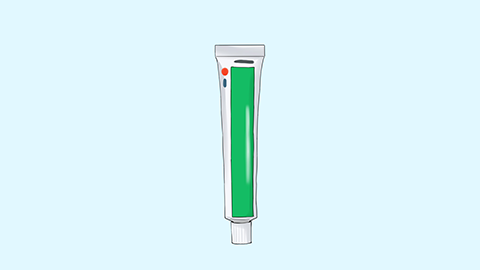
Tinea primarily refers to superficial fungal infections caused by dermatophytes—fungi that infect the skin, hair, and nails. Common types include tinea corporis (body ringworm), tinea cruris (jock itch), tinea manuum (hand ringworm), tinea pedis (athlete’s foot), tinea capitis (scalp ringworm), and tinea versicolor (pityriasis versicolor). The standard treatment involves antifungal medications. For small, mild lesions, topical antifungal agents are usually sufficient. Commonly used topical agents include clotrimazole cream, econazole cream, ketoconazole cream, bifonazole cream, and terbinafine cream—all of which exhibit potent inhibitory and fungicidal activity against dermatophytes.
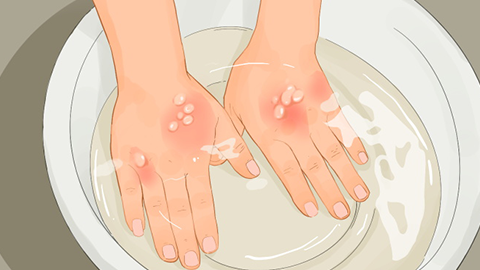
Tinea generally denotes superficial fungal skin disease caused by pathogenic fungi such as dermatophytes. Common forms include tinea corporis, tinea cruris, tinea manuum, tinea pedis, onychomycosis (fungal nail infection), and tinea capitis. The fundamental treatment approach involves either topical or systemic antifungal therapy.
Additionally, patients should avoid spicy foods, maintain skin cleanliness and dryness, and disinfect daily clothing, footwear, and socks to ensure complete eradication and prevent recurrence. We hope this article has been helpful to you!