


What is root canal treatment?

Intermittent, sharp pain originating from inside a tooth is commonly associated with neuralgia or dental caries, and prompt clinical evaluation is recommended. A dental examination by an oral health professional is necessary to identify any underlying abnormalities. Treatment may include oral administration of neurotrophic medications. But what exactly does “removing the tooth nerve” mean?
What Does “Removing the Tooth Nerve” Mean?
“Removing the tooth nerve” typically refers to endodontic treatment (root canal therapy), which becomes necessary when severe tooth damage compromises the dental pulp (nerve tissue). Recurrent neuralgic pain in a tooth often indicates pulp injury or inflammation. It is essential to seek timely consultation at a reputable dental clinic, where the dentist will assess the affected tooth and provide targeted treatment based on its specific condition. During treatment, avoid consuming spicy, acidic, or otherwise irritating foods.
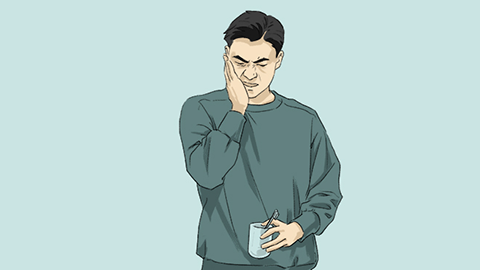
“Removing the tooth nerve” generally signifies completion of root canal treatment. After undergoing this procedure, avoid using the treated tooth to bite or chew extremely hard foods—such as shelled nuts. Mild periapical inflammation (a transient inflammatory response at the root tip) may occur post-treatment but usually subsides within two to three days. Should significant discomfort persist, schedule an early follow-up visit. Additionally, adhere strictly to your dentist’s instructions regarding scheduled follow-up appointments.
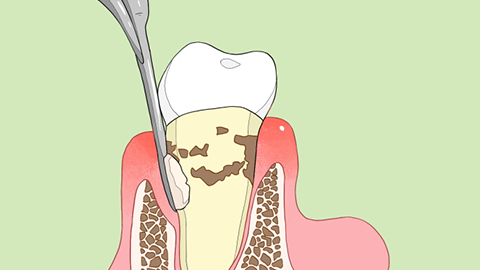
Following root canal treatment, the tooth no longer contains viable pulp tissue and thus loses its natural nutrient supply, rendering it more brittle and prone to fracture. For optimal protection, we strongly recommend placement of a dental crown over the remaining tooth structure to prevent cracking or breakage. We hope this information has been helpful!


