


Side Effects of Corticosteroid Injections

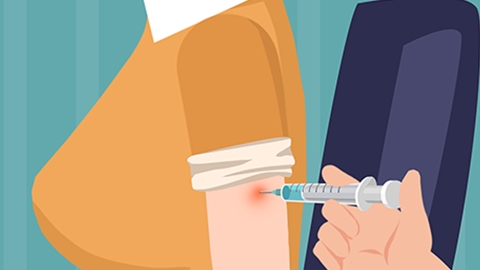
Many people experience joint pain in daily life. When the pain becomes unbearable, some opt for “block injections” (local corticosteroid injections), yet worry about potential side effects on the body. So, what are the side effects of block injections?
Side Effects of Block Injections
Induction or exacerbation of hypertension and diabetes: In patients with pre-existing hypertension or diabetes, the glucocorticoids contained in block injections may reduce the body’s resistance to pathogenic microorganisms, further suppress immune function, inhibit glucose utilization in extrahepatic tissues, disrupt normal metabolism, and thereby worsen underlying conditions. Worsening of osteoporosis: Triamcinolone acetonide injection and prednisolone acetate injection are both glucocorticoids. Glucocorticoids inhibit calcium absorption; thus, in menopausal individuals, they may accelerate bone loss and exacerbate osteoporosis.

Gastric ulcers: Patients with gastrointestinal disorders face an increased risk of secondary peptic ulceration and gastrointestinal bleeding. If a patient is concurrently taking potassium-wasting diuretics during block therapy, significant potassium loss may occur. Frequent glucocorticoid use stimulates gastric acid and pepsin secretion, potentially triggering recurrence of pre-existing ulcers or causing ulcer-related hemorrhage. Glucocorticoids promote sodium retention while increasing water excretion—leading to potassium depletion. Tendon rupture: Repeated glucocorticoid injections can suppress protein synthesis, resulting in negative nitrogen balance and weakening of local tendon tissue, thereby increasing the risk of tendon rupture. Although glucocorticoids effectively suppress inflammatory responses, they possess no antimicrobial activity—and may therefore inadvertently exacerbate infection-related inflammation.
When symptoms arise, prompt medical evaluation and targeted treatment are essential. Strengthening immunity through daily healthy habits helps prevent disease onset. We hope this information has been helpful to you!


