


Does “opening the outer canthus” refer to the outer corner of the eye?

In daily life, an increasing number of individuals seeking aesthetic enhancement opt for lateral canthoplasty (outer canthoplasty) to naturally enlarge their eyes and enhance their brightness and expressiveness. Many wonder whether “lateral canthoplasty” refers specifically to surgical modification of the outer corner of the eye. So, does lateral canthoplasty indeed target the outer corner of the eye?
Does lateral canthoplasty target the outer corner of the eye?
The outer corner of the eye is extended outward during this procedure, resulting in a wider field of vision, brighter, more expressive, and more attractive eyes. This is a minor cosmetic surgery for small eyes. Sutures are typically removed 4–5 days postoperatively; makeup application and participation in public activities may resume after 7 days. No visible scarring remains following the procedure—however, proper postoperative care is essential. Local anesthesia is generally used. To ensure optimal safety and surgical outcomes, it is strongly recommended to undergo the procedure at a reputable, licensed cosmetic medical facility.

1. On the day of surgery, avoid removing the gauze dressing applied over the outer canthal area. Dressing changes usually begin after two to three days.
2. Prior to complete wound healing, keep the incision site clean and dry. Avoid exposure to bacteria or foreign substances. Additionally, do not apply cosmetics or other topical products directly onto the incision site.
3. Maintain a healthy diet following surgery, emphasizing light, easily digestible foods. Ensure adequate intake of protein and vitamins to support optimal wound healing.
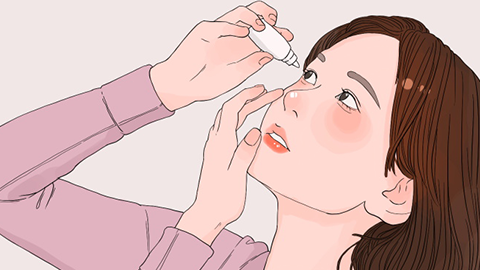
After surgery, prioritize rest and avoid eye strain or strenuous physical activity, as these may compromise surgical results. We hope this information proves helpful to you!


