


Can people with diabetes drink black bean vinegar?

Rich, high-fat meals featuring abundant meat and fish have become increasingly common on modern dining tables. The number of individuals diagnosed with diabetes—often dubbed the “disease of affluence”—continues to rise annually, particularly among obese elderly populations. Can people with diabetes consume black beans soaked in vinegar?
Can people with diabetes consume black beans soaked in vinegar?
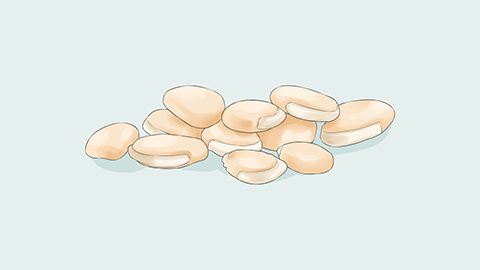
Yes, people with diabetes may consume black beans soaked in vinegar; however, soaking black beans in white vinegar does not lower blood glucose levels. Although white vinegar can aid gastrointestinal digestion and promote the breakdown of carbohydrates and lipids in the gut—thereby contributing to regulation of blood lipid and glucose levels—black beans soaked in white vinegar offer no clinically significant hypoglycemic effect and cannot replace prescribed antidiabetic medications. Moreover, vinegar-soaked black beans still provide caloric energy to the body.

Black beans contain plant-based protein, which confers health benefits; thus, people with diabetes may include modest amounts of white vinegar–soaked black beans in their diet. However, they must not mistakenly assume that this preparation can substitute for evidence-based lifestyle interventions or pharmacologic glucose-lowering therapy. To achieve optimal glycemic control, individuals with diabetes should carefully manage their total caloric intake and prioritize light, low-fat, low-sugar foods. It is recommended to adopt a pattern of smaller, more frequent meals, combine dietary modifications with regular physical activity, and use antidiabetic medications as directed by a specialist physician.
Patients should avoid tobacco and alcohol entirely. Smoking damages multiple organ systems, especially the cardiovascular system; for individuals with diabetes, smoking significantly exacerbates disease progression and complications. Regular, appropriate physical exercise is strongly encouraged. Sedentary lifestyles substantially increase diabetes risk. We hope this article provides helpful guidance!


