


Manifestations of Acute Gastric Mucosal Lesions

Acute gastric mucosal lesions represent a relatively severe condition, causing significant physical and psychological harm to patients. What, then, are the clinical manifestations of acute gastric mucosal lesions?
Clinical Manifestations of Acute Gastric Mucosal Lesions
These lesions are characterized by acute hemorrhagic gastritis, acute erosive gastritis, and stress ulcers. Clinically, many patients develop acute gastric mucosal lesions after consuming irritating foods or medications; others may present with dysfunction of other organ systems. Common symptoms include upper abdominal discomfort or pain; some patients may even experience hematemesis (vomiting blood) or melena (blood in stool). Abdominal pain, nausea, and vomiting may also occur.
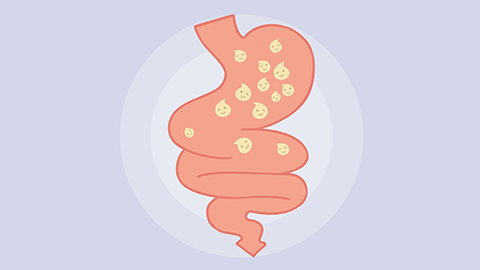
Alcohol intoxication is another common cause of this condition. Excessive alcohol consumption can trigger acute gastric mucosal erosion and bleeding. Ethanol dissolves the epithelial lipoprotein layer of the gastric mucosa or—via systemic circulation—damages acinar cells of gastric glands, leading to reduced gastric mucus secretion. These mechanisms compromise the gastric mucosal barrier, resulting in inflammatory exudation and hemorrhagic ulcers due to hydrogen ion back-diffusion—a constellation of findings collectively termed “stress ulcers.”

Upon onset of acute gastric mucosal lesions, prompt medical evaluation at a hospital is strongly recommended. Under physician guidance, treatment typically includes suppression of gastric acid secretion, protection of the gastric mucosa, hemostasis, and correction of anemia via volume replacement. During the acute phase, fasting or a residue-free diet is advised. Patients should maintain strict dietary hygiene, avoid spicy and irritating foods, and abstain from smoking. We hope this information proves helpful!


