


What Causes Difficulty Urinating in Women?

Difficulty urinating in women may be associated with conditions such as urinary tract infection (UTI), urinary tract stones, or uterine prolapse. Patients are advised to seek timely medical evaluation to identify the underlying cause and receive appropriate treatment.
1. Urinary Tract Infection (UTI)
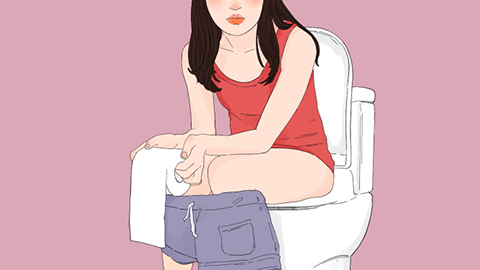
When a UTI is present, patients may experience the urge to urinate but be unable to void effectively. This is often accompanied by symptoms such as urinary frequency and urgency. In severe cases, hematuria (blood in urine) and pain may also occur. Treatment typically involves antibiotics prescribed by a physician.
2. Urinary Tract Stones
Urinary tract stones can irritate the urethral tissues, leading to mucosal injury and increased urethral sensitivity, ultimately impairing normal voiding function and causing abnormal urination. For mild or small stones, conservative management—including analgesics, antispasmodics, anti-inflammatory agents, and increased fluid intake—may be sufficient. However, larger stones that fail to pass spontaneously usually require surgical intervention, such as cystoscopy, ureteroscopy, flexible ureteroscopy, or percutaneous nephrolithotomy (PCNL).
3. Uterine Prolapse
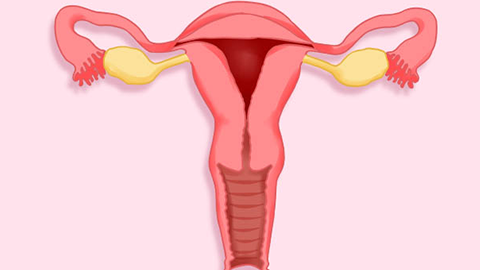
In cases of uterine prolapse, the displaced uterus may compress the bladder and urethra, thereby interfering with normal urination and resulting in difficulty voiding. Mild cases may be managed with a pessary, whereas more severe cases generally require surgical correction.
Besides the above causes, difficulty urinating may also stem from other conditions such as cystitis or urinary retention. Prompt medical consultation is strongly recommended if any such symptoms arise.


