


Can patients with diabetes take Shuanghuanglian Oral Liquid?

In daily life, many people suffer from diabetes, which causes significant harm to their physical health and severely impacts their quality of life and work performance. When experiencing a respiratory tract infection, some patients consider taking Shuanghuanglian Oral Liquid but worry about potential adverse effects on their bodies. So, can individuals with diabetes take Shuanghuanglian Oral Liquid?
Can individuals with diabetes take Shuanghuanglian Oral Liquid?
Patients with diabetes who develop an upper respiratory tract infection may take Shuanghuanglian Oral Liquid. This preparation has a bitter taste and contains virtually no sugar; therefore, it can be taken as prescribed by a physician. Upper respiratory tract infections themselves can exacerbate diabetes and elevate blood glucose levels. During infection, the body’s immune defenses decline—particularly in diabetic patients, whose pre-existing hyperglycemia already impairs immune function.
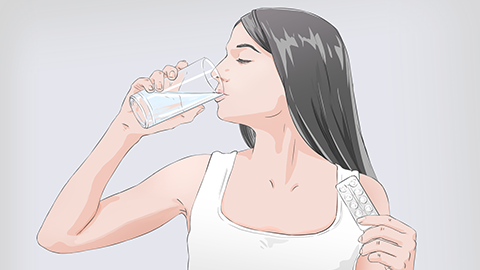
Elevated blood glucose in diabetic patients weakens leukocyte chemotaxis, reduces phagocytic activity of macrophages, and decreases complement production—creating favorable conditions for bacterial and microbial proliferation. Thus, prompt and active treatment of upper respiratory tract infections is essential to prevent complications. Patients should drink ample fluids and aim for rapid recovery to avoid progression to pneumonia or bronchopneumonia, thereby preventing unnecessary complications.
In daily life, patients should follow a light, balanced diet, maintain adequate fluid intake, achieve energy balance between caloric intake and physical activity, and use medications appropriately to attain or sustain a healthy body weight. We hope this information proves helpful to you!


