


Can patients with diabetes take Compound Paracetamol and Amantadine Hydrochloride Capsules?

In daily life, many people suffer from diabetes, which causes significant harm to their physical health and severely impacts their quality of life and work performance. Some diabetic patients, having caught a cold, consider taking Compound Paracetamol and Amantadine Hydrochloride Capsules but worry about potential adverse effects on their health. So, can individuals with diabetes take Compound Paracetamol and Amantadine Hydrochloride Capsules?
Can individuals with diabetes take Compound Paracetamol and Amantadine Hydrochloride Capsules?
Yes, they may take this medication. It does not adversely affect individuals with diabetes. Diabetes is an endocrine disorder; therefore, as long as a medication does not interfere with blood glucose control, it is generally safe for diabetic patients. Compound Paracetamol and Amantadine Hydrochloride Capsules are used to treat the common cold and do not impact diabetes management. Because people with diabetes often have compromised immunity and are more susceptible to colds, they should engage in regular physical exercise to strengthen their constitution, strictly control blood glucose levels, follow a low-fat diet, avoid sugary foods, and gradually improve their overall health through consistent lifestyle adjustments.
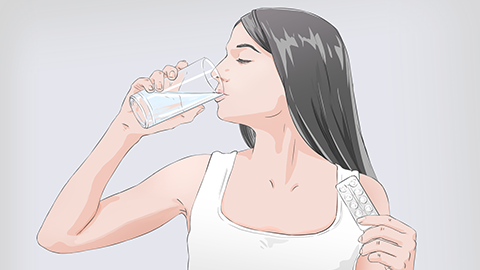
Elevated blood glucose levels in diabetic patients weaken immune function, increasing susceptibility to colds. When diabetic patients develop a cold or fever, physiological stress may further elevate blood glucose, potentially worsening cold symptoms and creating a vicious cycle. Therefore, prompt pharmacological treatment is essential upon onset of cold symptoms. For viral colds, timely oral administration of antiviral medications—including traditional Chinese herbal antivirals such as Isatis Root Granules—is recommended. If cough, expectoration of yellow sputum, or other signs of acute upper respiratory infection are present, appropriate oral anti-inflammatory therapy should be initiated without delay. With timely and appropriate treatment, disease progression can be effectively controlled, and blood glucose levels will gradually return to normal.

Patients should maintain a light, balanced diet, drink adequate amounts of water, achieve energy balance between caloric intake and physical activity, and use medications appropriately—ultimately achieving or maintaining a healthy body weight. We hope this information proves helpful to you!


