


Can a 60-year-old person with diabetes consume Sanqi (Panax notoginseng) powder?

Notoginseng powder generally functions to invigorate blood circulation, resolve blood stasis, nourish blood, and stop bleeding. It also enhances the body’s immune function and benefits overall health, making it suitable for most people. So, can a 60-year-old person with diabetes consume notoginseng powder?
Can a 60-year-old person with diabetes consume notoginseng powder?
Firstly, individuals with diabetes may consume notoginseng powder. It promotes blood circulation, resolves blood stasis, and improves microcirculation—particularly beneficial for diabetic patients, who often suffer from elevated blood glucose levels and are prone to microvascular or macrovascular complications. Diabetic patients frequently exhibit increased blood viscosity; thus, appropriate consumption of notoginseng powder may help ameliorate vascular lesions, accelerate blood flow, and reduce blood viscosity—offering certain therapeutic benefits.
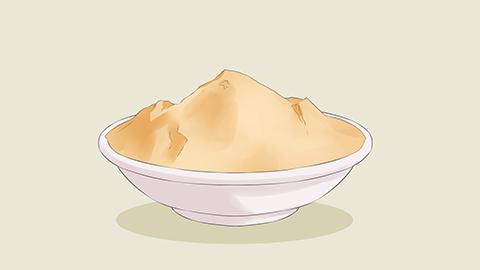
Secondly, conventional medications such as aspirin and clopidogrel exert similar effects; however, traditional Chinese medicines like notoginseng powder are more widely accepted by many patients, contributing to their broad usage. Nevertheless, diabetic patients should observe several precautions when consuming notoginseng powder: avoid its use if you have recently experienced cerebral hemorrhage or gastrointestinal ulceration; and if you have a known allergic constitution, it is advisable to refrain from taking it.
Additionally, diabetic patients are advised to schedule regular hospital check-ups to monitor their health status closely and prevent the development of other complications. The above information is for reference only; specific medication use must be guided by a qualified physician. We hope this response has been helpful to you!


