


What Is Bacterial Enteritis?

Bacterial enteritis is an age-independent condition affecting both adults and children. What exactly is bacterial enteritis?
What Is Bacterial Enteritis?
Bacterial enteritis is a type of infectious enteritis, with primary clinical manifestations including abdominal pain, diarrhea, watery stools, or mucopurulent bloody stools. Some patients may develop fever and tenesmus (a sensation of incomplete defecation), hence the term “infectious diarrhea.” Risk factors for bacterial enteritis may include malnutrition or inappropriate antibiotic use. Affected individuals commonly experience fever, increased bowel movement frequency, and stools containing mucus or pus and blood. If suffering from an illness of unknown etiology, avoid indiscriminate antibiotic use, as this may disrupt the intestinal microbiota balance, impair gastrointestinal health, and adversely affect overall well-being.
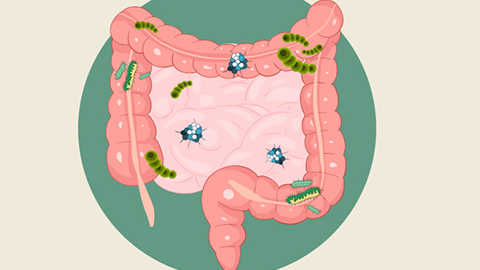
Bacterial enteritis is one of the most common causes of acute enteritis. Treatment strategies vary depending on disease severity, but general management principles include the following: First, for mild diarrhea causing minimal disruption to daily life, antibiotics are generally unnecessary; instead, anti-inflammatory medications may be prescribed under medical supervision. However, if severe diarrhea accompanied by significant dehydration occurs, immediate medical attention and intravenous fluid therapy are essential.

A key preventive measure against bacterial enteritis is cultivating good hygiene habits and maintaining strict food and water safety practices—such as keeping cutting boards clean and dry, separating raw and cooked foods, avoiding leftover meals, refraining from eating at unhygienic street vendors, and controlling fly and cockroach infestations. We hope this information proves helpful to you.


