


Can people with diabetes drink goji berry and white chrysanthemum tea?

As living standards continue to improve, many individuals fall into a sub-healthy state. Therefore, it is advisable to undergo periodic medical examinations to monitor one’s health status. Can individuals with diabetes consume goji berry and white chrysanthemum tea?
Can individuals with diabetes consume goji berry and white chrysanthemum tea?
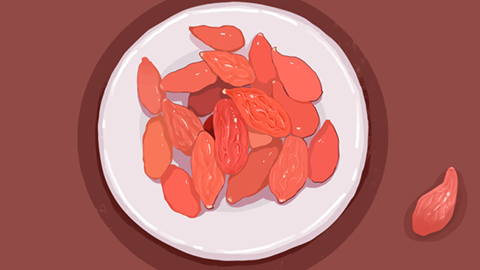
Yes, individuals with diabetes may consume goji berry and white chrysanthemum tea. Goji berries are rich in vitamin A, taurine, beta-carotene, betaine, and polysaccharides. Regular consumption may support liver health and visual function, prevent fatty liver disease, lower blood glucose and lipid levels, protect against radiation-induced damage, enhance immune function, and exert anti-aging and anticancer effects. Research indicates that goji berries contain antioxidant compounds—including goji polysaccharides, selenium, and carotenoids—that promote immune function and combat aging.
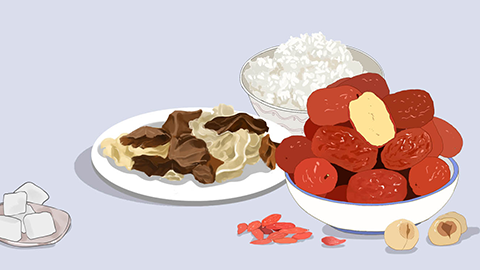
Clinically, diabetic nephropathy is typically classified into five stages based on the degree of proteinuria. In the first three stages, optimal glycemic control is the primary therapeutic goal. Additionally, controlling serum uric acid levels and blood pressure may lead to disease reversal. If renal insufficiency develops, comprehensive management for chronic kidney failure becomes necessary. Primary treatment involves a low-protein diet, supplemented by low-sodium and low-fat dietary regimens. Adjunctive therapies—including renoprotective and detoxifying interventions—may help slow the rate of decline in renal function.
Individuals with diabetic nephropathy should carefully regulate their total caloric intake. A balanced, low-fat, high-fiber diet is recommended. Increased consumption of vegetables and fruits, along with smaller, more frequent meals, is encouraged. Alcohol and tobacco use should be strictly avoided. Typically, a high-quality, low-protein diet is advised. Foods high in calcium often contain elevated phosphorus levels and thus should be limited—such as organ meats, pork ribs, dried shrimp, and fortified flour. We hope this information proves helpful!


