


Can people with diabetes drink goji berry and chrysanthemum tea?

Flavonoids in chrysanthemum exhibit lipid-lowering, cardiovascular disease prevention, and blood glucose–regulating effects. Goji berries—low in calories—contain goji polysaccharides, which help protect pancreatic islet cells, while betaine exerts lipid-lowering effects. So, can individuals with diabetes drink goji berry–chrysanthemum tea?
Can individuals with diabetes drink goji berry–chrysanthemum tea?
Yes, individuals with diabetes may consume goji berry–chrysanthemum tea. Goji berries are rich in vitamin A, sulfur-containing compounds, beta-carotene, betaine, and polysaccharides. They are commonly used to support liver health and improve vision, prevent fatty liver disease, lower blood glucose and lipids, counteract radiation damage, enhance immunity, delay aging, and exert anticancer effects. Moreover, goji berries contain various polysaccharides—including goji polysaccharides—as well as selenium and carotenoids, all of which possess antioxidant properties that modulate immune function and combat aging.
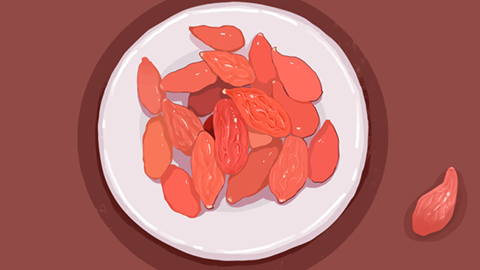
Flavonoids in chrysanthemum contribute to lipid reduction, cardiovascular disease prevention, and blood glucose regulation, and chrysanthemum itself is low in calories. Therefore, goji berry–chrysanthemum tea may aid in the prevention and management of diabetes and its complications. Patients may consume it, but should avoid excessive intake and added sugar.

Goji berries contain relatively high levels of natural sugars; thus, drinking goji berry tea alone is not recommended for people with diabetes. Chrysanthemum tea, however, may be consumed independently. Insufficient insulin function and inadequate insulin secretion are primary causes of diabetes. Typical symptoms include polydipsia (excessive thirst) and polyuria (frequent urination). At this stage, a low-salt, low-fat, diabetic diet is advised. Intake of high-sugar foods and high-quality proteins should be limited to avoid fatigue, colds, or infections at other sites. We hope this information is helpful to you!


