


Can people with diabetes drink ginger and jujube tea?

Families with diabetic members must pay special attention to diet and incorporate regular physical activity into daily life. So, can people with diabetes consume ginger-jujube (red date) tea?
Can people with diabetes consume ginger-jujube tea?
Individuals with elevated blood glucose levels should avoid ginger-jujube tea. Jujubes (Chinese red dates) are high in sugar and may cause a significant rise in blood glucose. Ginger water, however, is generally acceptable. Patients with hyperglycemia must strictly limit dietary sugar intake and avoid foods rich in added or natural sugars. They must take glucose-lowering medications—under the guidance of physicians and pharmacists—to maintain blood glucose within the normal range. Jujubes are often called “the vitamin king” due to their rich nutrient profile; they help nourish the blood, improve skin health, alleviate insomnia, and promote relaxation and calmness. In traditional Chinese medicine (TCM), jujubes are frequently used in combination with other herbs for various therapeutic purposes. The foremost consideration in diabetes management is dietary control. Fundamentally, diabetes arises from abnormal metabolism of energy-providing substances—particularly carbohydrates and starches—relative to dietary intake.
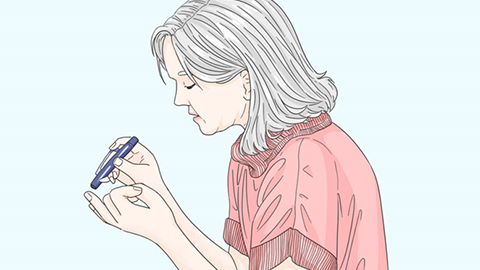
Therefore, it is recommended to reduce overall carbohydrate intake, especially refined grains such as white rice and white flour. If these foods must be consumed, patients should avoid fermented wheat-based products (e.g., noodles, congee, steamed buns) and overcooked, soft rice dishes, as these have high glycemic indices and impair glycemic control. Additionally, individuals with diabetes must carefully manage their physical activity—many, in fact, lack consistent exercise habits. Overall, effective diabetes management requires simultaneously controlling food intake (“closing the mouth”), increasing physical activity (“moving the feet”), and abstaining from alcohol. Medication adherence is also critical: drugs must be taken on time, at the prescribed dose, and exactly as directed. Treatment regimens—including whether oral hypoglycemic agents or insulin injections are appropriate—must be determined individually under physician supervision based on clinical response and metabolic control.

Furthermore, if any new or worsening symptoms arise, prompt medical evaluation is essential. We hope this information proves helpful!


