


Can patients with diabetes take 999 Ganmao Ling Granules?

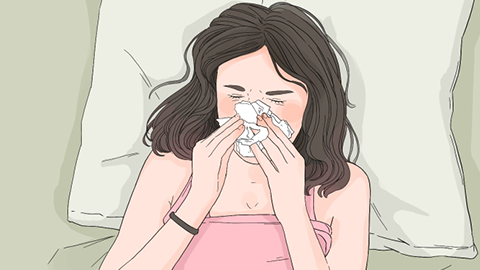
Jiuzhitang Ganmao Ling (999 Cold & Flu Granules) is a commonly used over-the-counter cold remedy in daily life and is highly effective for treating common colds. Diabetic patients may also experience cold symptoms—so, can diabetic patients take Jiuzhitang Ganmao Ling granules?
Can diabetic patients take Jiuzhitang Ganmao Ling granules?
Patients with diabetes should avoid using Jiuzhitang Ganmao Ling to treat colds. This product contains a high sugar content, which may adversely affect glycemic control and overall health in diabetic individuals. Instead, diabetic patients suffering from colds may consider taking compound amantadine paracetamol tablets. Jiuzhitang Ganmao Ling granules are among the most widely used cold remedies in China. It is a combined traditional Chinese and Western medicine formulation: the herbal components exert heat-clearing and detoxifying effects, while the Western pharmaceutical ingredients provide antipyretic and analgesic actions—thus rapidly alleviating cold symptoms. Therefore, Jiuzhitang Ganmao Ling is suitable for treating common colds, wind-heat type colds, and influenza-like illnesses.
Diabetic patients must strictly manage their diet. For instance, foods containing added sugars should be consumed sparingly. Additionally, various Western-style pastries and baked goods should be avoided. Foods low in starch may be consumed more freely. Patients should also observe dietary restrictions: meals should be light and bland, avoiding raw, cold, spicy, or greasy foods. Seafood intake should likewise be minimized, as excessive consumption may exacerbate the condition. Maintaining healthy lifestyle habits is essential. Diabetic patients are encouraged to engage in moderate physical activity; however, if hypoglycemia occurs post-exercise, they should promptly consume carbohydrate-containing foods to restore blood glucose levels.
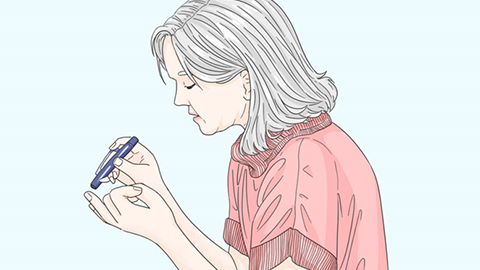
Patients with diabetes should pay close attention to daily self-care and nutritional supplementation. They should limit intake of high-sugar and high-calorie foods to prevent worsening of their diabetic condition and safeguard overall health. We hope this information proves helpful to you!


