


Why Does My Baby Sweat Excessively? What Should I Do?

Infants may experience excessive sweating (often termed “deficiency sweating”) due to physical weakness or deficiencies in certain trace elements. So, what causes excessive sweating in babies—and how should parents respond?
Causes of Excessive Sweating in Babies and How to Respond
During infancy, infants’ metabolism is relatively active, which may lead to physiological hyperhidrosis (excessive sweating). This type of sweating typically occurs on the head and neck, especially within the first 30 minutes after falling asleep—and usually ceases within one hour of sleep onset. Excessive sweating may also occur if the infant consumes very hot food before bedtime, or if the room temperature is excessively high or the infant is overdressed or over-bundled. In such cases, parents need not be concerned, as this is a normal physiological phenomenon.
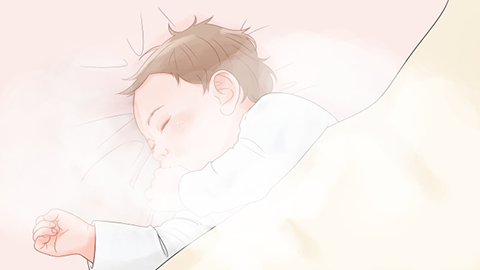
However, pathological hyperhidrosis—such as that associated with calcium deficiency—may also occur. A hallmark sign is prominent sweating on the head shortly after falling asleep. Supplementing vitamin D and calcium can help alleviate this symptom. Infants should begin oral vitamin D supplementation two weeks after birth; calcium supplementation may be initiated at around four months of age, depending on clinical assessment. Vitamin D and calcium supplementation both prevent and treat rickets, a condition characterized by excessive sweating, restless nighttime sleep, night terrors, head-shaking, or枕秃 (occipital alopecia).
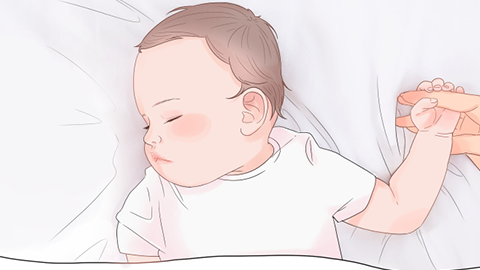
Excessive sweating in infants may also result in increased zinc loss through sweat. Therefore, attention should be paid to zinc supplementation to prevent zinc deficiency.
Zinc deficiency may cause symptoms including anorexia, pica, poor appetite, and impaired digestive function. Thus, for infants who sweat excessively, zinc supplementation is advisable. We hope this information proves helpful!


