


What to Watch for When a Baby Develops a Rash After a Fever

Many infants develop a rash following a fever, which often causes great concern for parents. What should parents pay attention to when their baby develops a rash after a fever?
What to Watch for When an Infant Develops a Rash After Fever
The most common cause of fever-associated rash in infants is roseola infantum (also known as exanthem subitum), a viral infection. Its hallmark features include sudden high-grade fever, which typically persists for 3–5 days and predominantly affects infants aged 6 months to 2 years. A rash usually appears shortly after the fever subsides—typically within hours to a day after defervescence. Specifically, once the fever resolves, the infant develops widespread, discrete, pinkish-red maculopapular eruptions that begin on the face and neck, then spread to the trunk, and finally involve the extremities. The rash generally lasts for 2–3 days.
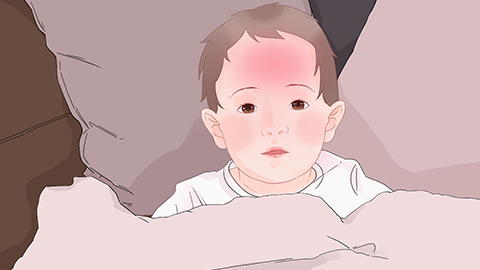
During the rash phase, infants may exhibit mild irritability. Some may also experience mild diarrhea, though no specific treatment is required. If mild diarrhea occurs, ensure the infant consumes light, easily digestible meals. Probiotics may be administered to help alleviate diarrhea symptoms. Additionally, avoid excessive sweating during the rash period and maintain skin cleanliness and dryness.

Key considerations when an infant develops a rash after fever: • Maintain good skin hygiene and cleanliness. • If the rash is accompanied by pruritus (itching), prevent scratching to avoid secondary bacterial infection. Apply an appropriate topical antipruritic agent (e.g., calamine lotion) as needed to relieve itching. • Provide bland, easily digestible foods; avoid greasy, fried, or spicy foods, as well as fish, shellfish, and other potential allergens. • Encourage adequate fluid intake, ensure regular room ventilation, and maintain a clean, fresh indoor environment. We hope this article has been helpful. Wishing you a joyful life and optimal health!


