


Why does a 2-month-old baby constantly stick out their tongue?

During the first two months after birth, infants have limited motor abilities, yet their understanding of the world gradually develops. Their physical activity is restricted, and they spend most of their time lying down. Parents closely observe their baby’s responses. So, what does it mean when a two-month-old baby constantly sticks out their tongue?
Why does a two-month-old baby frequently stick out their tongue?
As the infant’s salivary glands begin to mature and produce increased saliva, the baby may more frequently protrude the tongue while attempting to swallow saliva—leading to an apparent increase in tongue-protruding behavior. Additionally, sticking out the tongue is one way babies explore their environment. As long as the baby remains alert, feeds well, makes consistent eye contact with caregivers (demonstrating normal eye movement), and exhibits appropriate facial expressions, this behavior is generally harmless. However, oral hygiene should be carefully maintained—drool should be gently wiped away promptly. That said, if the baby persistently sticks out their tongue *and* frequently cries, appears irritable, refuses feeding (both milk and water), or shows other signs of distress, illness may be present, and parents should promptly bring the baby to a hospital for evaluation.
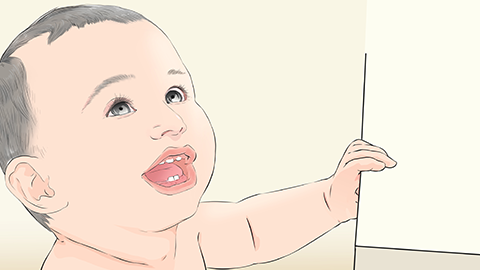
Tongue-protruding is normal in two-month-olds—it commonly occurs when the baby is hungry or thirsty. At this age, infants enter the “oral phase” of development, during which they often enjoy sticking out their tongues during quiet moments simply because they find it interesting. Babies are naturally curious about their surroundings and tend to use their tongues to explore and taste new objects.
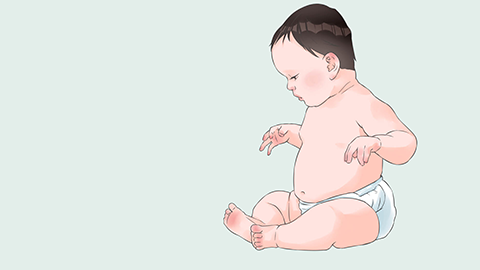
For two-month-old babies, horizontal holding (cradling) is preferred. After feeding, brief upright holding (to facilitate burping) is acceptable, but prolonged upright positioning should be avoided. Similarly, sitting the baby up independently is not recommended at this age, as it may adversely affect spinal development. We hope this information is helpful!


