


Can people with diabetes take ginkgo leaf tablets?

Ginkgo biloba leaf is a commonly used traditional Chinese medicine (TCM) with nourishing effects on yin, tonifying the kidneys, and reinforcing qi. Since patients with diabetes often experience constitutional weakness and require nutritional supplementation, can they take ginkgo biloba leaf preparations?
Can patients with diabetes take ginkgo biloba leaf preparations?
Patients with diabetes may use ginkgo biloba leaf preparations for therapeutic purposes. Ginkgo biloba leaf promotes blood circulation, resolves blood stasis, and unblocks the collaterals. Its primary active component is ginkgo biloba leaf itself, which has a sweet, bitter, and astringent taste and a neutral nature. It functions to invigorate blood circulation, resolve stasis, and unblock the meridians and collaterals. It is indicated for conditions such as chest pain and heart discomfort due to blood stasis obstructing the collaterals, stroke, hemiplegia, tongue stiffness, and dysarthria—as well as stable angina pectoris associated with coronary artery disease and cerebral infarction presenting with the aforementioned symptoms. Pharmacologically, this product exerts vasodilatory, anti-myocardial ischemic, anti-cerebral ischemic, and antithrombotic effects. Some patients may experience adverse reactions after taking this product, including allergic dermatitis, exfoliative dermatitis, and granulocytopenia.
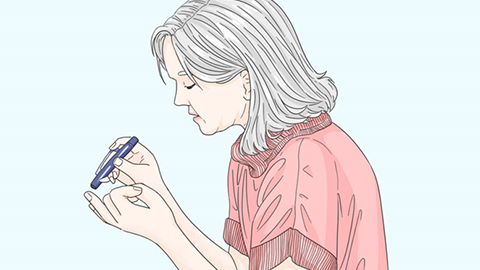
Dietary management is critical for patients with diabetes. For instance, foods containing added sugar should be consumed sparingly. Additionally, various Western-style pastries should be avoided. Foods low in starch may be consumed more freely. Furthermore, patients must observe dietary contraindications: meals should be light and easily digestible, and raw, cold, spicy, or greasy foods should be avoided. Seafood intake should also be minimized, as excessive consumption may exacerbate the condition. Maintaining healthy lifestyle habits is essential. Patients with diabetes are encouraged to engage in moderate physical activity; however, if hypoglycemia occurs post-exercise, they should promptly consume carbohydrate-containing foods.

Patients should pay close attention to daily health maintenance and nutritional support. They should limit intake of high-sugar and high-calorie foods to prevent worsening of their diabetic condition and safeguard overall health. We hope this information proves helpful to you!


