


What Causes Foamy Stools in Babies?

Some infants frequently experience diarrhea, often accompanied by frothy stools—causing significant concern among new mothers. What causes frothy diarrhea in babies?
What Causes Frothy Diarrhea in Babies?
Frothy diarrhea in infants is commonly associated with environmental factors—such as excessively hot or cold weather—leading to digestive dysfunction. It may also result from inappropriate feeding practices, including sudden changes in food type or quantity, or irregular meal timing and portion sizes. Infectious causes—including bacterial or viral gastroenteritis—must also be considered.
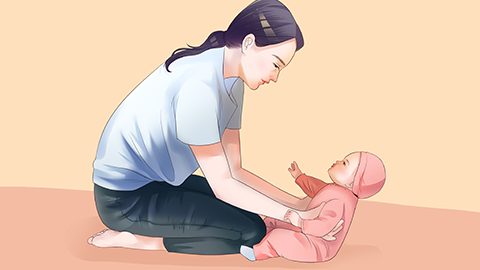
If the infant develops a fever, bacillary dysentery should be suspected. In such cases, stool testing is essential to rule out bacterial infection. Breastfed infants should continue nursing; however, mothers should avoid consuming overly greasy, raw, cold, or spicy foods and ensure their baby stays warm. For formula-fed infants, complementary foods should be temporarily discontinued, and standard formula should be replaced with a therapeutic formula designed for diarrhea management. Particularly in cases of viral or acute gastroenteritis, switching to a specialized anti-diarrheal formula is recommended.
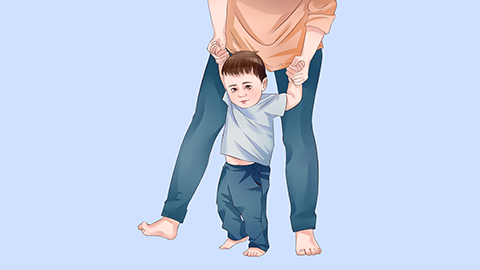
Older children require dietary adjustments: easily digestible foods such as rice water, thin porridge, or noodles are appropriate, along with increased fluid intake. Other foods should be avoided. Probiotics and digestive aids may be administered under medical guidance. If stool analysis reveals more than five white blood cells per high-power field (HPF), oral antibiotics may be prescribed—strictly under the supervision of a qualified physician. We hope this information proves helpful!


