


Can people with diabetes consume sour bamboo shoot and fish head soup?

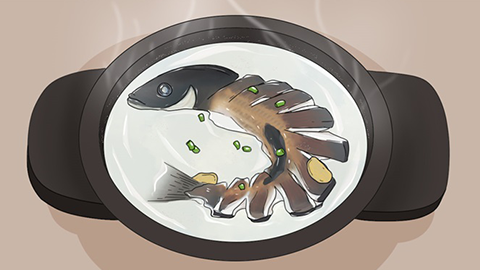
Sour bamboo shoot and fish head soup is highly nutritious and especially popular in daily life—some people crave it every few days. Can individuals with diabetes consume this soup?
Can individuals with diabetes consume sour bamboo shoot and fish head soup?
Yes, individuals with diabetes may consume sour bamboo shoot and fish head soup. Sour bamboo shoots contain relatively low sugar content, while fish heads are rich in nutrients. Moderate consumption can help replenish essential nutrients and enhance immune function. However, excessive intake should be avoided, as sour bamboo shoots are relatively difficult to digest and may place additional strain on the gastrointestinal tract.
Blood glucose control in individuals with diabetes is closely linked to dietary habits. Patients are advised to base their staple foods on unprocessed rice, wheat flour, and coarse grains. Foods containing glucose, sucrose, honey, or their derivatives are not recommended. Additionally, consuming foods rich in soluble dietary fiber is encouraged, as they help delay nutrient absorption and reduce postprandial blood glucose spikes. Green leafy vegetables, whole grains, legumes, and low-sugar fruits are also recommended. Conversely, congee (rice porridge), overcooked noodles, and similar soft-textured carbohydrate-rich foods should be limited.
For diabetes management, lifestyle interventions should be the first-line approach—such as controlling total caloric intake, maintaining a balanced diet with appropriate proportions of animal and plant-based foods, avoiding snacks and sweets. Regular physical activity, weight management, and reduction of abdominal girth are critically important for glycemic control. Metformin is commonly used as initial pharmacotherapy; combination therapy with other antidiabetic agents may be considered when necessary. Regular follow-up monitoring is essential. We hope this information proves helpful!


