


What Are the Symptoms of Allergic Purpura?

Many people have never heard of Henoch-Schönlein purpura (HSP), and often mistake its symptoms for those of common everyday illnesses. HSP is a relatively severe small-vessel allergic hemorrhagic disorder. So, what are the symptoms of Henoch-Schönlein purpura?
What Are the Symptoms of Henoch-Schönlein Purpura?
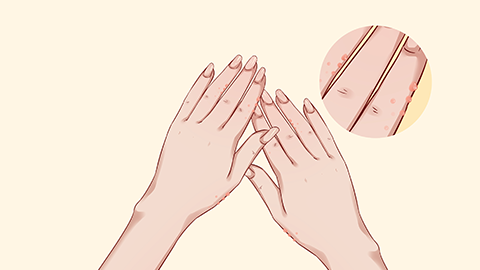
Skin rash (purpura): When you notice numerous red or purple macules or petechiae—particularly on the lower limbs or buttocks, often around joints, symmetrically distributed and varying in size—this may indicate HSP. This rash is one of the most readily identifiable symptoms. Respiratory tract infection: HSP frequently occurs shortly before or following an upper respiratory tract infection, making this an important clinical clue. Arthralgia: Unexplained, prominent pain in the knees, ankles, elbows, or wrists—commonly referred to as arthralgia—is highly suggestive of HSP. Abdominal colic: Sudden onset of abdominal pain in an otherwise healthy individual—termed abdominal colic—is also a recognized symptom of HSP.
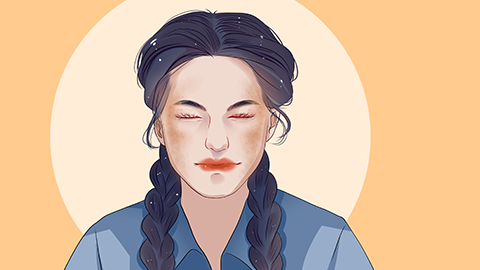
Henoch-Schönlein purpura (also known simply as allergic purpura) is a relatively common small-vessel allergic hemorrhagic disease. Its causes include infections, food allergies, drug allergies, pollen exposure, and insect bites. However, the precise allergen is often difficult to identify.
Given the characteristic features of HSP, treatment should incorporate dietary management; otherwise, not only may the condition prove difficult to resolve, but recurrent episodes are also likely. We hope this information has been helpful to you!


