


What should I do if I have an allergic reaction to medication?

Some individuals develop localized or generalized rashes or itching after taking certain medications. What should you do if you experience a drug allergy?
What to Do If You Experience a Drug Allergy
It is crucial to promptly identify and discontinue the offending medication, then switch to an alternative drug class—or cease treatment altogether—under medical guidance. Continuing the medication may worsen allergic symptoms and, in severe cases, lead to anaphylactic shock. Additionally, avoid indiscriminate or inappropriate use of medications, as some drugs are more likely to trigger allergic reactions, potentially exacerbating symptoms. During allergic episodes, antihistamines or other appropriate anti-allergic agents may be required; however, drug selection must be tailored to the individual’s specific clinical presentation.
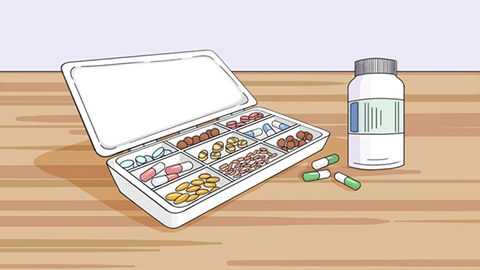
Patients experiencing anaphylactic shock require immediate medical attention. Intravenous calcium gluconate may be administered for rapid and pronounced therapeutic effect. For milder allergic reactions, oral antihistamines such as chlorpheniramine or cetirizine may be selected to alleviate symptoms.
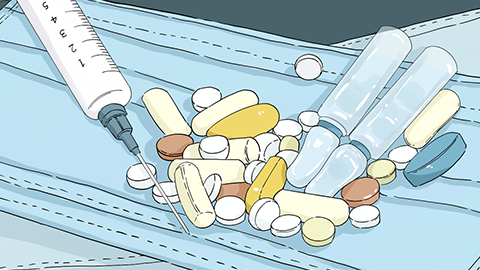
To relieve itching, topical anti-pruritic agents—such as calamine lotion or zinc oxide cream—may be applied. Avoid scratching affected areas with bare hands, as this can aggravate skin lesions and worsen the condition.We hope this information is helpful. Wishing you good health and happiness!


