


Can people with diabetes drink black buckwheat tea (whole-germ tea)?

In daily life, some individuals with diabetes enjoy drinking black tartary buckwheat tea and whole-germ tea. This type of tea is known for its heat-clearing and fire-purging properties, making it especially popular among people with diabetes. But can individuals with diabetes safely drink black tartary buckwheat tea and whole-germ tea?
Yes, individuals with diabetes may drink black tartary buckwheat tea and whole-germ tea.
Black tartary buckwheat tea and whole-germ tea are stomach-nourishing beverages suitable for people with diabetes. Black tartary buckwheat tea helps soften blood vessels and prevent conditions such as atherosclerosis; it also supports gastric digestion and nutrient absorption. Tea varieties—including green tea, black tea, white tea, yellow tea, oolong tea, dark tea, and reprocessed teas—are generally safe for people with diabetes, provided no sugar is added. Some articles state that drinking tea does not eliminate the need for antidiabetic medications—tea cannot replace prescribed diabetes medication. People with diabetes must never discontinue their medications without consulting a physician. Additionally, strong tea may impair iron absorption, so individuals with anemia should avoid consuming highly concentrated tea. Tea should also be avoided before bedtime to prevent interference with sleep quality.
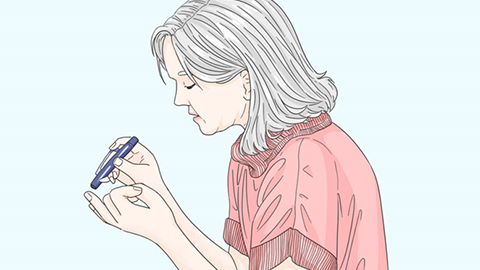
Being diagnosed with diabetes does not mean bearing excessive psychological stress—diabetes is a treatable condition. First and foremost, dietary control is essential: total daily caloric intake must be carefully managed. Within the same caloric limit, high-calorie foods should be restricted, and body weight should be maintained within the normal range. Overweight or obese individuals should aim for gradual, healthy weight loss. Alongside dietary adjustments, regular physical activity is crucial. Engaging in aerobic exercise—such as brisk walking, jogging, cycling, or swimming—helps burn excess calories and improve overall metabolic health. Furthermore, individuals with diabetes should undergo routine blood glucose monitoring and screening for complications; when necessary, oral hypoglycemic agents or insulin therapy should be initiated under medical supervision.

In daily life, individuals with diabetes should pay close attention to nutritional balance and food selection, avoiding high-sugar and high-calorie foods to prevent worsening of their condition and safeguard their overall health and quality of life. We hope this information proves helpful to you!


