


How does cholinergic urticaria develop?
May 05, 2022
Source: Cainiu Health

Dr. Liu Wan
Introduction
Cholinergic urticaria commonly occurs when the body is exposed to heat—such as during hot showers, consumption of hot beverages, vigorous exercise, sweating, or emotional excitement. The underlying pathogenesis may involve various stimuli activating the sympathetic nervous system, thereby increasing its excitability. Subsequently, cholinergic sympathetic nerve fibers release acetylcholine, which acts on cutaneous blood vessels and mast cells.
The pathogenesis of cholinergic urticaria is associated with drug-related factors, psychological stress, dietary triggers, physical stimuli, and underlying diseases. So, how does cholinergic urticaria develop?
How Does Cholinergic Urticaria Develop?
Cholinergic urticaria most commonly occurs when the body is exposed to heat—such as during hot showers or baths, consumption of hot beverages, vigorous exercise, sweating, or emotional excitement. The underlying mechanism likely involves various triggers stimulating the sympathetic nervous system, thereby increasing its excitability. Subsequently, cholinergic sympathetic nerve fibers release acetylcholine, which acts on cutaneous blood vessels and mast cells, prompting mast cells to release histamine and other mediators. This cascade leads to characteristic symptoms including erythema, wheals, and pruritus—hallmark manifestations of cholinergic urticaria.
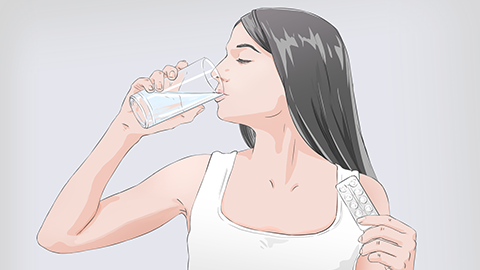
Clinically, cholinergic urticaria presents as numerous small, intensely pruritic (and sometimes stinging) wheals on the skin. In severe cases, systemic cholinergic responses may occur, including headache, lacrimation, salivation, nausea, abdominal pain, and diarrhea. Severe dizziness may even lead to syncope. For this distinct subtype of urticaria, management begins with identifying and eliminating precipitating factors. Pharmacotherapy typically involves oral antihistamines, with second-generation, non-sedating or low-sedating antihistamines preferred as first-line treatment.

This condition can pose significant health risks and adversely affect one’s physical appearance. To recover promptly, individuals must recognize and avoid known triggers in daily life. Upon diagnosis of cholinergic urticaria, it is essential to maintain a positive mindset and seek timely medical evaluation and treatment to prevent further complications. We hope this article has been helpful to you!


