


What should I do if my child has a fever of 39°C?

A fever of 39°C in children can easily trigger febrile seizures. So, what should be done when a child develops a 39°C fever?
What to Do When a Child Has a 39°C Fever
When a child’s temperature reaches 39°C, oral antipyretics should be administered immediately—such as ibuprofen suspension or sustained-release acetaminophen tablets. Additionally, rectal antipyretic suppositories may be used. After administration, the child may be given a lukewarm bath or gently wiped down with a warm, damp towel. For older children, if the above measures prove ineffective, alcohol sponging may be considered—applying diluted alcohol to the neck, forehead, and limbs. Avoid using alcohol on the palms, soles, or anterior chest. Encourage the child to drink plenty of warm water, ensure adequate rest, and closely monitor their condition. Typically, body temperature begins to decline within 30–40 minutes after taking antipyretics. If the fever persists for over one hour despite medication, or if the child appears lethargy, exhibits rapid breathing, or develops cyanosis of the lips, seek immediate medical attention at a hospital.
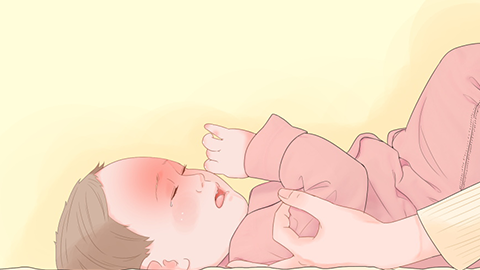
After developing a fever, a child’s diet should consist primarily of light, easily digestible liquid or semi-liquid foods—such as noodles or rice porridge—and spicy or cold foods should be avoided. Encourage frequent intake of warm water to maintain adequate hydration. Keep indoor temperature and humidity stable, ensure moderate ventilation, and maintain good hygiene.
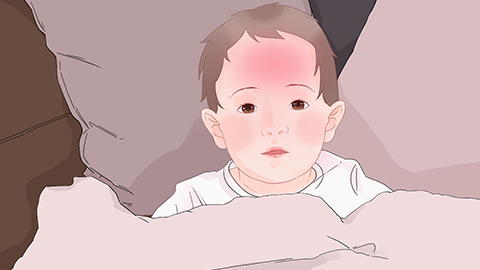
A 39°C fever in children requires prompt antipyretic intervention—including medications and, where appropriate, alcohol sponging. If these measures fail, timely hospital evaluation is essential. Wishing you good health and happiness!


