


What Are the Characteristics of Children’s Psychology?

Every parent hopes their child will grow up healthy and strong; however, some parents often overlook their child’s psychological development. What are the key characteristics of children’s psychological development?
Key Characteristics of Children’s Psychological Development
The psychological development of children exhibits distinct age-related features: Children aged 3–4 years typically show increased attention span and a strong tendency to imitate others. Children aged 4–5 years tend to be highly active, demonstrate improved thinking skills, and begin engaging in structured play. By age 6, children often show marked advances in learning, curiosity (e.g., asking questions), abstract reasoning, and the initial acquisition of cognitive strategies. Psychological development in children refers to the progressive changes in mental functioning that occur as they mature from immaturity toward psychological maturity. In daily life, parents can also encourage outdoor physical activities to enhance their child’s overall physical health.
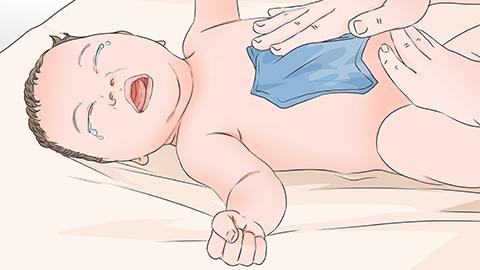
Parental psychological support for children begins with understanding. After birth, every ability a child acquires is experienced for the first time—first steps, first words, first day at kindergarten, first day of school—everything unfolds as a “first.” Some children inevitably encounter setbacks during learning. If parents fail to empathize or provide appropriate support, children may develop aversion to learning, and some may even experience diminished self-esteem.
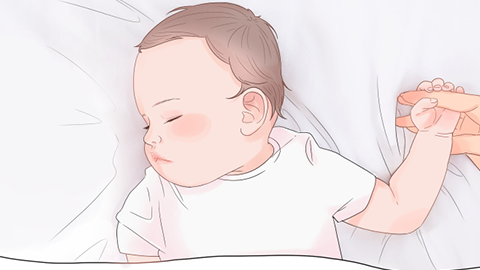
Because each child develops at their own pace, individual differences are entirely normal. Influenced by both genetic factors and environmental conditions, developmental milestones may appear earlier or later across children—therefore, a “one-size-fits-all” approach is inappropriate. Comparing children’s progress may lead parents to become impatient, potentially triggering emotional disturbances or behavioral abnormalities in the child. We hope this response has been helpful!


