


What precautions should be taken during children’s tooth replacement?

As children grow older, they naturally undergo the process of tooth replacement (also known as “shedding” or “exfoliation” of primary teeth and eruption of permanent teeth). During this transitional period, certain precautions must be taken to ensure healthy dental development. What are these key considerations for children’s tooth replacement?
What Are the Key Considerations During Children’s Tooth Replacement?
During the tooth-replacement phase, maintaining optimal oral hygiene is essential. Children should brush their teeth thoroughly twice daily. In addition to brushing, dental flossing is strongly recommended. As the jawbone develops and permanent teeth begin to erupt, gaps between primary teeth gradually widen—making it easier for food particles to become lodged during meals. Parents are strongly advised to assist their children with flossing, especially since interproximal caries (cavities occurring between adjacent teeth) are particularly common in children aged 5–6 years. These cavities develop rapidly when food debris trapped between teeth is not promptly removed, potentially leading to decay on both the front and back surfaces of adjacent teeth.
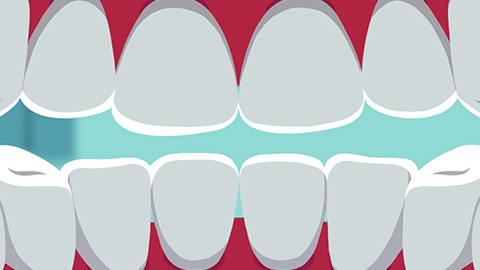
Dietary habits must also be carefully managed. Establishing healthy eating patterns involves more than simply limiting consumption of sugary, soft foods—it is equally important to control the frequency of eating. Children should not snack continuously throughout the day. Aside from three main meals (breakfast, lunch, and dinner), only one additional snack should be permitted between meals.
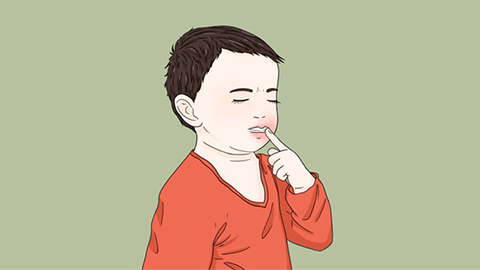
Prevention of dental trauma is another critical consideration. During active play or physical activities, children are at increased risk of dental injury. If permanent incisors have already erupted, trauma to these teeth can significantly compromise not only the long-term health of the affected teeth but also overall jaw development—and even facial growth. Therefore, prevention and prompt management of dental injuries are essential. Extra caution is warranted when children participate in high-impact sports such as basketball, soccer, fencing, or any activity involving potential bodily contact. Appropriate protective measures—including mouthguards—should be used consistently. We hope this information proves helpful!


