


Is it okay for people with high blood sugar to eat sticky red bean buns?

Sticky bean buns belong to the category of glutinous rice-based foods and contain relatively high sugar content. Made from foxtail millet and corn, these buns possess a sticky texture; excessive consumption may impair gastrointestinal health and cause indigestion.
Can individuals with high blood glucose consume sticky bean buns?
Individuals with elevated blood glucose levels may consume sticky bean buns in moderation, but overconsumption should be avoided. Blood glucose refers to the concentration of glucose in the bloodstream, which serves as a vital energy source for body tissues. However, persistently high blood glucose levels can adversely affect health; therefore, maintaining glucose within the normal physiological range is essential. Sticky bean buns are primarily made from foxtail millet and are rich in dietary fiber. Nevertheless, they also contain added sugars. Patients with hyperglycemia may include them occasionally in their diet—provided that intake is moderate and other staple food portions are correspondingly reduced. When consumed appropriately, sticky bean buns generally pose minimal risk to disease management.
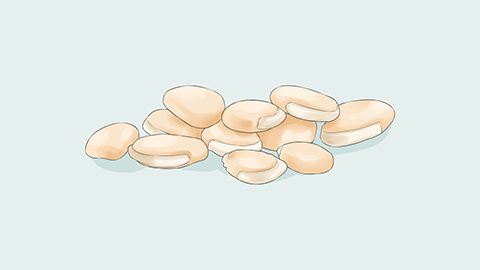
Sticky bean buns, prepared from foxtail millet and corn, have a naturally sticky consistency. Overeating them may compromise gastrointestinal health and lead to indigestion. Additionally, due to their sugar content, excessive intake may adversely affect blood glucose control; thus, portion size must be carefully monitored, and consumption should remain limited.

Patients with diabetes should adhere to prescribed antihyperglycemic medications—such as metformin hydrochloride extended-release tablets or pioglitazone hydrochloride tablets—and, when necessary, receive insulin injections to achieve optimal glycemic control. For overweight individuals, engaging in regular physical activity—such as jogging or playing ball sports—can help reduce excess body fat. We hope this article has been helpful. Wishing you a joyful life and good health!


