


Can drinking decocted Chinese angelica (Danggui) water treat diabetes?

Consuming Angelica sinensis (Danggui) decoction offers benefits including warming the meridians, promoting circulation, relieving pain, and alleviating muscle spasms. It is therapeutically effective for traumatic injuries with associated pain, rheumatic arthralgia, and other conditions, and may also enhance immune function. Then, can Angelica sinensis decoction treat diabetes?
Can Angelica sinensis decoction treat diabetes?
Patients with diabetes may safely consume Angelica sinensis decoction, which may serve as an adjunctive therapy for diabetes itself.
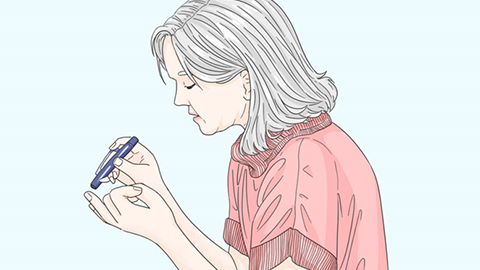
Angelica sinensis possesses properties that nourish the blood, invigorate blood circulation, regulate menstruation, relieve pain, moisten the intestines, and promote bowel movement. When prepared as a decoction for oral intake, it demonstrates therapeutic effects for conditions such as sallow complexion and fatigue due to blood deficiency, dizziness and palpitations, menstrual irregularities, amenorrhea, dysmenorrhea, and abdominal pain caused by deficiency-cold. Additionally, Angelica sinensis decoction helps warm the meridians, improve circulation, relieve pain, and alleviate spasms—making it beneficial for trauma-related pain and rheumatic arthralgia—and may also boost immune function. Topical application of Angelica sinensis decoction to the face can inhibit tyrosinase activity, effectively reducing melasma and freckles. Antidiabetic medications include: • Biguanides: e.g., metformin hydrochloride. • Sulfonylureas: e.g., glibenclamide, glimepiride, gliclazide, glipizide, and gliquidone. • Thiazolidinediones: e.g., rosiglitazone maleate and pioglitazone hydrochloride. • Meglitinides: e.g., repaglinide, nateglinide, and mitiglinide. • Alpha-glucosidase inhibitors: e.g., acarbose, voglibose, and miglitol. • Insulin preparations: e.g., insulin aspart, lispro insulin, and insulin glargine.

The above-listed medications are provided for reference only; specific drug selection and dosing must be determined under the guidance of a qualified physician. We hope this article has been helpful to you!


