


Can people with diabetes who are taking herbal medicine drink alcohol?

Modern pharmacological research has confirmed that numerous single traditional Chinese medicinal herbs possess blood glucose–lowering effects. However, as with the treatment of other diseases, Traditional Chinese Medicine (TCM) approaches diabetes with an emphasis on individual patient differences and the use of compound herbal formulas. So, can individuals with diabetes consume alcohol while taking herbal remedies?
Can individuals with diabetes drink alcohol while taking herbal remedies?
No, individuals with diabetes should not consume alcohol while taking herbal remedies for diabetes. Alcohol stimulates insulin secretion; however, if blood glucose has already been lowered to target levels by antidiabetic medication, the additional insulin surge may precipitate hypoglycemia. Chronic alcohol consumption not only damages the liver but also increases the risk of ketoacidosis. This is because alcohol antagonizes insulin action and inhibits hepatic glucose metabolism. Consequently, heavy drinking may trigger ketoacidosis.
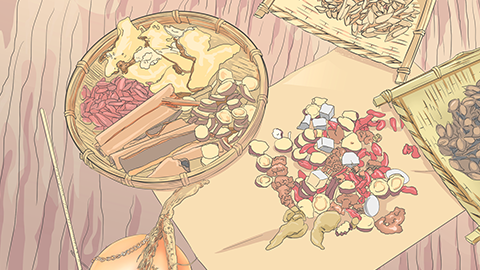
Alcohol consumption can cause severe hypoglycemia. In diabetic patients already receiving antidiabetic medications—especially when blood glucose levels are low—alcohol further suppresses glycogenolysis and hepatic gluconeogenesis, thereby increasing the risk of hypoglycemia. Moreover, after initial cerebral excitation, alcohol induces a generalized central nervous system depression, leading to reduced respiratory and gastrointestinal function. If nausea and vomiting occur following alcohol intake, vomitus may obstruct the airway, potentially causing asphyxiation.
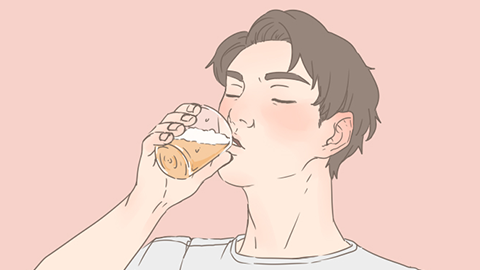
Therefore, alcohol consumption poses significant risks for diabetic patients undergoing antidiabetic therapy—primarily hypoglycemia and potential airway obstruction due to bronchial or upper respiratory depression. Additionally, nausea and vomiting may exacerbate diabetic complications and worsen the overall clinical condition. For these reasons, it is strongly advised to avoid alcohol entirely—even while taking herbal remedies. We hope this article has been helpful. Wishing you a joyful life and optimal health!


