


Can people with high blood sugar eat cherries?
May 06, 2022
Source: Cainiu Health

Dr. Pan Yongyuan
Introduction
When blood glucose levels are high, it is advisable to avoid eating cherries, as this may cause further elevation of blood glucose, complicate glycemic control, and potentially trigger acute diabetic complications. Patients with diabetes who have well-controlled blood glucose may consume cherries, but must carefully monitor their intake. While people with diabetes can eat fruits, the recommended portion per meal is approximately one-third to one-quarter of the amount consumed by healthy individuals, helping to prevent excessive blood glucose fluctuations.
In daily life, many people experience elevated blood glucose levels. This not only harms the body but also significantly impairs quality of life and work performance. Individuals with high blood glucose must pay close attention to their diet, as food intake directly influences blood glucose levels. So, can people with high blood glucose eat cherries?
Can people with high blood glucose eat cherries?
It is generally advised to avoid eating cherries when blood glucose levels are already elevated, as doing so may cause further increases in blood glucose, complicate glycemic control, and potentially trigger acute diabetic complications. However, individuals with well-controlled diabetes may consume cherries—provided they carefully monitor and limit their portion sizes. While fruits are encouraged for people with diabetes, the recommended serving per meal is approximately one-third to one-quarter of a typical serving for healthy individuals, helping to minimize large fluctuations in blood glucose.
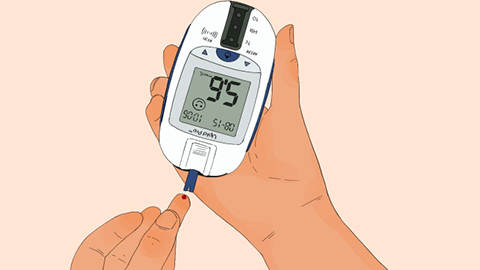
After consuming cherries, individuals with diabetes should monitor their blood glucose levels. Since blood glucose responses to the same quantity of cherries may vary among different patients—due to individual differences in digestion and absorption—it is essential to actively track postprandial glucose levels to assess how cherries affect one’s glycemia. A pronounced rise in blood glucose suggests either that cherries are unsuitable for that individual or that the portion consumed was too large; conversely, minimal change indicates that cherries have little impact on that person’s blood glucose.
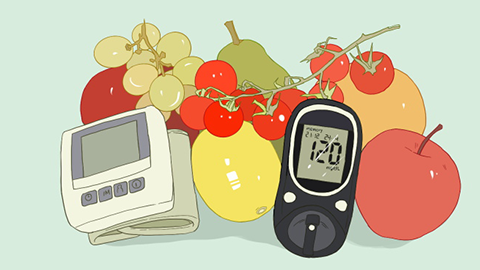
Adopting a pattern of eating smaller, more frequent meals—and avoiding overeating or binge eating—is advisable. Regular, moderate physical activity is also beneficial, as it helps lower blood glucose and enhances overall immune function. We hope this information proves helpful to you!


