


Can patients with high blood sugar consume sour pomegranates?

Patients with high blood sugar can consume sour pomegranates, but must carefully control their intake. The rationale is as follows:
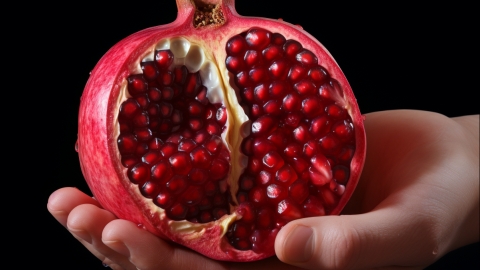
Sour pomegranates are a commonly consumed fruit rich in various essential nutrients—including vitamins and minerals—that supply energy and calories, thereby conferring certain health benefits. Sour pomegranates have a relatively low glycemic index (GI), meaning their sugar content is not particularly high. Consequently, consuming small amounts of sour pomegranate typically has minimal impact on blood glucose levels and generally does not cause significant spikes in blood sugar.
Although sour pomegranates have a low GI, patients with elevated blood sugar must still moderate their intake. It is recommended to limit portion sizes to avoid excessive sugar consumption, which could adversely affect blood glucose control. Ideally, sour pomegranates should be consumed between meals to help prevent postprandial hyperglycemia.
After eating sour pomegranates, patients with high blood sugar should regularly monitor their blood glucose levels to enable timely adjustments to diet and treatment plans. In addition to mindful fruit consumption, these patients should adopt a comprehensive dietary approach—such as partially replacing refined grains with whole grains or starchy tubers—which may aid in lowering blood glucose levels.


