


Can people with high blood sugar eat glutinous rice?
May 06, 2022
Source: Cainiu Health

Dr. Pan Yongyuan
Introduction
Patients with high blood sugar can consume glutinous rice, but it is advisable to limit intake. Glutinous rice has a higher glycemic index than regular white rice; therefore, excessive consumption may lead to a more pronounced postprandial blood glucose rise and greater blood glucose fluctuations. Additionally, because glutinous rice is relatively difficult to digest, overconsumption by individuals with elevated blood sugar may increase the gastrointestinal burden and predispose them to indigestion.
Glutinous rice is rich in starch, sodium, and B-group vitamins. It has a fragrant, sticky, and smooth texture and offers benefits such as warming the spleen and stomach and strengthening the central Qi.
Can individuals with high blood glucose consume glutinous rice?
Individuals with elevated blood glucose may consume glutinous rice, but intake should be limited. Glutinous rice has a higher glycemic index than regular white rice; excessive consumption can lead to a more pronounced postprandial blood glucose spike and greater glucose fluctuations. Moreover, glutinous rice is relatively difficult to digest; overconsumption may increase gastrointestinal burden and predispose to indigestion. As glutinous rice is a carbohydrate-rich food, it may be consumed occasionally by individuals with high blood glucose—but only in moderation.
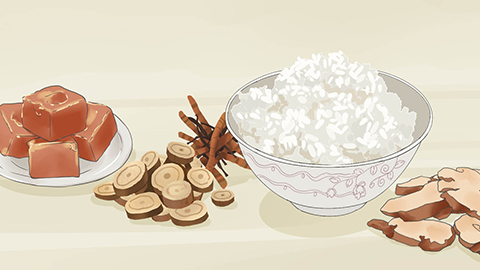
Excessive intake of glutinous rice is problematic: its sugar content is several times higher than that of ordinary japonica rice. Once ingested, it breaks down into glucose. Additionally, its high starch and sodium content may contribute to complications associated with diabetes—such as hypertension and atherosclerosis.
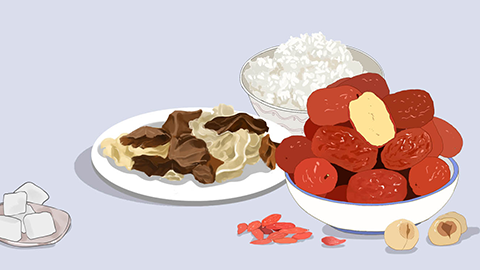
When managing elevated blood glucose, attention should be paid to daily diet and physical activity. A low-salt, low-fat, and low-sugar diet is recommended. Low-glycemic fruits—such as tomatoes, cucumbers, mangoes, and lychees—may be included regularly. High-starch foods—including potatoes, Chinese yam, and sweet potatoes—should be avoided, as should nuts and organ meats (e.g., liver). Emphasize vegetable intake and whole grains while limiting refined grains. Regular physical activity—such as jogging, brisk walking, or cycling—is also encouraged. Under medical supervision, appropriate antihyperglycemic medications should be selected, and consistent blood glucose monitoring maintained. We hope this article proves helpful. Wishing you a joyful life and optimal health!


