


Can pregnant women with high blood sugar eat cornmeal?

Corn is a whole-grain food rich in dietary fiber, minerals, and starch, helping to meet increased nutritional needs during pregnancy. So, can pregnant women with high blood glucose consume cornmeal?
Can pregnant women with high blood glucose consume cornmeal?
Yes—pregnant women with elevated blood glucose may eat corn buns. Cornmeal is classified as a coarse grain; approximately 66–70% of its weight consists of carbohydrates. In contrast, refined wheat flour (commonly referred to as “Type 70” flour or pure wheat flour) contains about 78–80% carbohydrates per 100 grams. Thus, compared to refined flour, cornmeal contains roughly 10% less carbohydrate per 100-gram serving—similar to the carbohydrate content found in buckwheat noodles, brown rice, whole wheat, and oats. Therefore, corn buns are acceptable for consumption. However, when managing elevated blood glucose, it is generally advisable to avoid congee (rice porridge) and other highly processed, easily digestible starchy foods—such preparations undergo excessive gelatinization, which leads to rapid carbohydrate absorption and undesirable spikes in blood glucose.
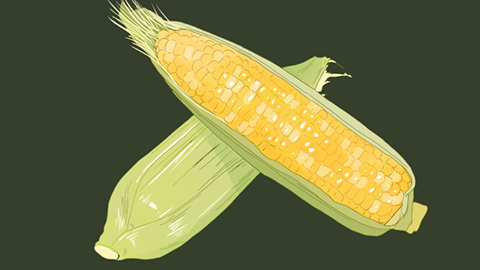
Cornmeal is primarily made from corn. Corn promotes satiety and is rich in B-group vitamins, supporting maternal nutrition and helping alleviate common pregnancy discomforts. Its dietary fiber also helps moderate abnormal rises in blood glucose.
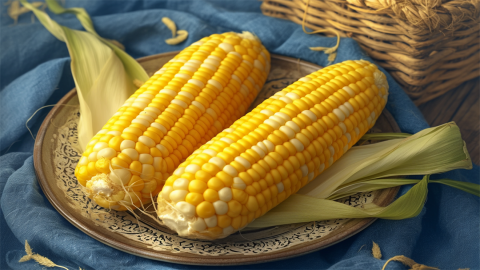
For pregnant women whose blood glucose levels are relatively well-controlled, moderate consumption of corn poses no significant adverse effect on glycemic control—even among those with gestational diabetes. Nevertheless, overconsumption should be avoided. The dietary fiber in corn slows carbohydrate absorption, thereby preventing sharp fluctuations in blood glucose. Additionally, this fiber enhances satiety and reduces hunger, aiding in the dietary management of gestational hyperglycemia. We hope this article has been helpful. Wishing you a joyful life and good health!


