


Can people with high blood sugar eat kiwifruit?
May 07, 2022
Source: Cainiu Health

Dr. Pan Yongyuan
Introduction
Kiwi fruit can be consumed. Its sugar content is not particularly high. Although kiwi fruit contains some sugar, its sugar level is relatively low compared to other fruits. Kiwi fruit is tender, juicy, pleasantly tart-sweet, and highly nutritious. It is also rich in vitamin C and vitamin E, helping to replenish essential nutrients required by the body. Additionally, kiwi fruit helps regulate gastrointestinal function and promotes gastrointestinal motility.
Many people enjoy eating kiwifruit, which is a highly nutritious fruit offering numerous health benefits and helping regulate various bodily functions. But can individuals with high blood sugar consume kiwifruit?
Can individuals with high blood sugar eat kiwifruit?
Yes, they can. Kiwifruit contains relatively low levels of sugar. Although it does contain some natural sugars, its sugar content is comparatively lower than that of many other fruits. Kiwifruit is tender, juicy, pleasantly tart-sweet, and nutritionally rich. It is especially abundant in vitamin C and vitamin E—nutrients essential for maintaining human health. Kiwifruit helps regulate gastrointestinal function, promotes intestinal motility, prevents constipation, and supports intestinal cleansing and detoxification. For patients whose blood glucose is well-controlled, moderate consumption of kiwifruit will not cause significant spikes in blood sugar levels.
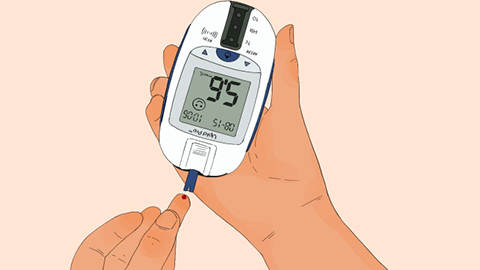
There are multiple causes of hyperglycemia, including insulin resistance and autoimmune factors. Currently, insulin resistance accounts for the majority of cases. Excess body weight or obesity, unhealthy lifestyle habits, and family history of diabetes all contribute to increased adipose tissue, thereby reducing insulin sensitivity and elevating blood glucose levels.

Patients with hyperglycemia should undergo regular blood glucose monitoring at healthcare facilities and, under medical supervision, take oral hypoglycemic agents—such as sulfonylureas or metformin—to manage their condition. In certain cases, insulin injections may be necessary to stabilize blood glucose and prevent recurrent hyperglycemia. Daily dietary management should emphasize limiting intake of high-sugar foods and avoiding greasy or fatty meals. We hope this information proves helpful to you.


