Normal Blood Glucose Levels for 70-Year-Old Elderly Individuals
May 07, 2022
Source: Cainiu Health

Dr. Pan Yongyuan
Introduction
The normal blood glucose levels for a 70-year-old elderly person are the same as those for younger adults: fasting blood glucose should not exceed 6.1 mmol/L, and 2-hour postprandial blood glucose should not exceed 7.8 mmol/L. A fasting blood glucose level of ≥7.0 mmol/L or a 2-hour postprandial blood glucose level of ≥11.1 mmol/L is diagnostic of diabetes.
In daily life, many people experience elevated blood glucose levels. This not only harms the patient’s physical health but also significantly impairs quality of life and work performance. Understanding the condition is essential for effective prevention and treatment. So, what are the normal blood glucose values for a 70-year-old elderly individual?
Normal Blood Glucose Values for 70-Year-Olds
The normal blood glucose values for 70-year-olds are identical to those for younger adults: fasting blood glucose should not exceed 6.1 mmol/L, and 2-hour postprandial (after-meal) blood glucose should not exceed 7.8 mmol/L. A fasting blood glucose level ≥7.0 mmol/L or a 2-hour postprandial blood glucose level ≥11.1 mmol/L indicates a diagnosis of diabetes. Fasting blood glucose between 6.1–6.9 mmol/L or 2-hour postprandial blood glucose between 7.8–11.0 mmol/L indicates impaired glucose regulation—either impaired fasting glucose (IFG) or impaired glucose tolerance (IGT)—both considered prediabetic states.

Whether diagnosed with diabetes or prediabetes, regular blood glucose monitoring is essential, along with attention to dietary habits. If diabetes is confirmed, management must be guided by an endocrinology specialist. For diabetic patients aged 70 years or older, particular caution is required when lowering blood glucose to ensure safety: both fasting and postprandial glucose levels should be lowered gradually and moderately to avoid hypoglycemia. Striving for “perfect” glycemic control may increase the risk of dangerous low blood sugar episodes.
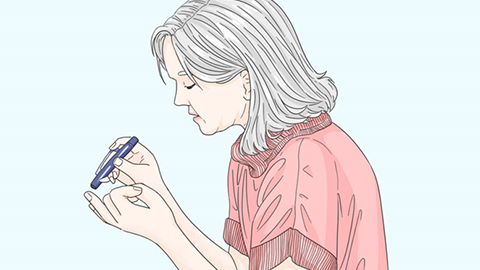
In daily life, adopt a pattern of eating smaller, more frequent meals and avoid overeating or binge eating. Regular, appropriate physical exercise is also recommended, as it helps lower blood glucose and enhances immune function. We hope this information is helpful to you!