


Can eating too many oranges cause “internal heat”?
May 08, 2022
Source: Cainiu Health

Dr. Pan Yongyuan
Introduction
Eating excessive amounts of oranges does not cause “internal heat” (a traditional Chinese medicine concept), as oranges are considered cooling in nature and sour in flavor, and they enter the Lung, Liver, and Stomach meridians. They help harmonize the stomach, soothe the Liver, and clear Heat from the Lungs. Oranges are particularly effective in preventing and alleviating conditions such as gastritis, nausea, vomiting, thyroid nodules, and swollen lymph nodes—especially when these arise from Stomach Fire—or chest and hypochondriac distension and pain caused by Liver Qi stagnation. Moderately consuming oranges can also help clear Heat, detoxify the body, and alleviate alcohol intoxication.
Oranges are rich in nutrients such as vitamin C, organic acids, potassium, magnesium, iron, calcium, and pectin. They offer multiple health benefits, including promoting salivation and relieving thirst, aiding digestion, strengthening the spleen and stimulating appetite, regulating qi and harmonizing the stomach, alleviating alcohol intoxication, regulating qi flow and resolving phlegm, suppressing nausea and coughing, and moistening the intestines to relieve constipation. Oranges are particularly effective in treating symptoms such as anorexia, excessive alcohol consumption, dry mouth with excessive salivation, and cough with copious phlegm. So, can eating too many oranges cause “internal heat” (a traditional Chinese medicine concept referring to inflammatory or overheating conditions)?
Can eating too many oranges cause “internal heat”?
Eating excessive oranges does not cause “internal heat,” because oranges are considered cooling in nature and sour in taste, entering the Lung, Liver, and Stomach meridians. They help harmonize the stomach, soothe the Liver, and clear Lung heat. Oranges are especially beneficial for preventing and managing conditions such as gastritis, nausea and vomiting, thyroid nodules, swollen lymph nodes, and chest or rib-side distension and pain caused by Liver Qi stagnation. Moderately consuming oranges can also help clear heat, detoxify the body, and alleviate alcohol intoxication.
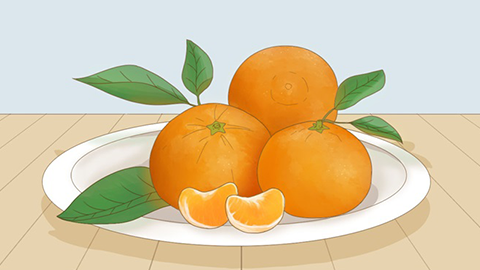
Oranges are abundant in vitamin C and flavonoids—both natural antioxidants that combat oxidative stress, inhibit melanin production, and promote skin brightening. Also known as sweet orange, yellow orange, golden-ring orange, willow orange, and navel orange, the orange is a hybrid of grapefruit and mandarin, originally native to Southeast Asia. It possesses high medicinal and nutritional value, containing substantial amounts of sugars, moderate citric acid, and abundant vitamin C—making it highly effective for boosting immunity, delaying aging, and lowering cholesterol and blood lipid levels. The pulp may be consumed fresh or used as an additive in other food products.
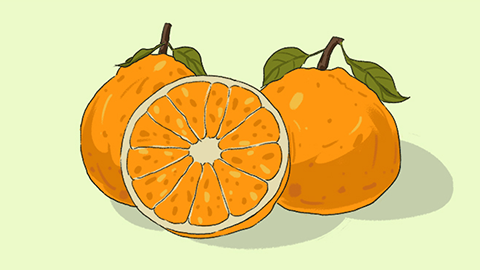
Note: Avoid eating oranges on an empty stomach or immediately before meals—even if consumed, limit intake—since the organic acids in oranges may irritate the gastric mucosa. We hope this information is helpful to you. Wishing you good health and happiness!



