


Do soybeans cause “internal heat”?

In daily life, many people enjoy soy milk for breakfast. Soy milk is primarily made from yellow soybeans, which can also be processed into foods such as tofu. Soybeans are highly nutritious—so, do yellow soybeans cause “internal heat” (a traditional Chinese medicine concept referring to excessive body heat or inflammatory symptoms)?
Do yellow soybeans cause internal heat?
Yellow soybeans are considered neutral-to-cool in nature according to Traditional Chinese Medicine (TCM), and generally do not cause internal heat. For everyday consumption, it is advisable to choose milder foods—such as milk—and maintain a regular lifestyle with balanced nutrition, avoiding picky eating habits and drinking plenty of warm water. However, yellow soybeans should not be consumed daily; overconsumption may not benefit health, especially for men, who should limit intake. While most people do not experience internal heat from eating yellow soybeans, some individuals may develop such symptoms. Although soybeans are highly nutritious, moderation is recommended.
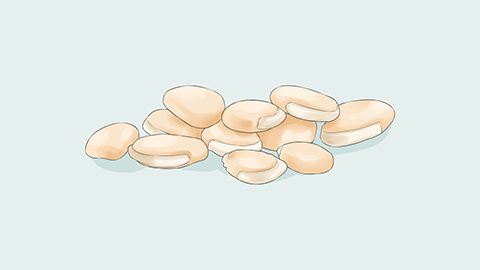
As a commonly used food, yellow soybeans offer comprehensive nutritional benefits, with particularly high levels of certain nutrients—especially protein, whose content is twice that of pork and two-and-a-half times that of eggs. Soybeans help tonify Qi and nourish the skin, promoting skin luster, hydration, and overall health; thus, they possess certain cosmetic and beautifying effects. Additionally, they offer health benefits for digestive disorders—particularly abdominal distension caused by food stagnation—as well as other gastrointestinal discomforts.
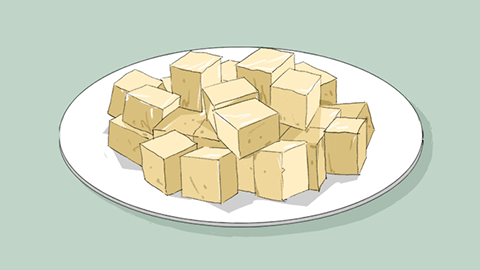
If consuming yellow soybeans in their unprocessed form, ensure they are thoroughly cooked. We hope this information is helpful!


