


What Should I Do If I Have “Excessive Internal Heat”?

Many people in daily life prefer strongly flavored foods—especially young adults, who frequently consume fast food, self-heating hotpots, spicy-sour rice noodles, and snacks such as spicy strips and potato chips. These dietary habits easily trigger “internal heat” (a traditional Chinese medicine concept referring to inflammatory or hyperactive conditions). So, what should one do when experiencing “internal heat”?
What to Do When Experiencing “Internal Heat”
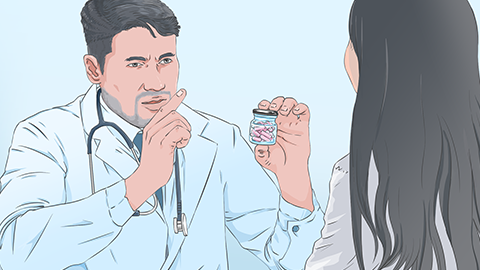
Adopt a light, nutritionally balanced diet; maintain regular sleep schedules; and avoid excessive fatigue. Herbal teas such as chrysanthemum tea or peppermint tea may help reduce internal inflammation. In more severe cases, medications—including Zhimai Qinghuo Tablets (a TCM formula for clearing heat), amoxicillin, or roxithromycin—may be required. Avoid spicy, stimulating, or cold foods, as well as “heat-inducing” foods such as hotpot, seafood, and chicken, to prevent further aggravation of symptoms. “Internal heat” primarily results from improper diet or unhealthy lifestyle habits, leading to systemic inflammation.

Common causes of “internal heat” include: Emotional factors: Emotions are closely linked to “internal heat.” Impatience and irritability readily trigger heat accumulation; likewise, liver qi stagnation can also lead to “internal heat.” Seasonal factors: Summer—the hottest season—is the peak period for “internal heat,” particularly “heart fire,” which manifests as restlessness, irritability, and anger—and may subsequently provoke “liver fire.” Dietary factors: Most individuals consume excessive meat and insufficient vegetables and fruits, resulting in dietary fiber deficiency and consequently heightened “skin fire” (a TCM term describing superficial heat symptoms).
As temperatures rise, reduce intake of spicy foods and increase plain water consumption. We hope this information proves helpful!


