


Can Goji berries cause “internal heat”?
May 09, 2022
Source: Cainiu Health

Dr. Pan Yongyuan
Introduction
Generally, consuming goji berries in normal amounts does not cause “internal heat” (a traditional Chinese medicine concept referring to symptoms such as sore throat, acne, or irritability). Goji berries are inherently sweet and neutral in nature—not warm or hot. Being neutral in property, goji berries—particularly the dried variety—typically do not induce internal heat when consumed in moderate, normal quantities. For individuals with a constitutionally weak or cold-biased body type, long-term consumption of goji berries is generally safe and unlikely to cause significant issues. Goji berries are an excellent tonic herb.
Soaking goji berries (Lycium barbarum) in water yields remarkably noticeable health benefits. Goji berries help tonify Qi and nourish blood, as well as delay aging. But can goji berries cause “internal heat” (a traditional Chinese medicine concept referring to excessive heat or inflammation in the body)?
Can Goji Berries Cause Internal Heat?
Generally, consuming goji berries in normal amounts does not cause internal heat. Goji berries are inherently sweet and neutral in nature—not warm or hot. Being neutral in thermal property, dried goji berries—when consumed in typical, moderate quantities—rarely induce internal heat. For individuals with a relatively weak or cold constitution, long-term consumption of goji berries is usually safe and poses little risk. Goji berries are an excellent tonic herb, effectively addressing conditions such as liver yin deficiency, kidney yin deficiency, dry eyes, lung qi deficiency, coughs, and common colds. They also help alleviate symptoms associated with yin deficiency—including soreness and weakness in the lower back and knees, dizziness, vertigo, and impaired vision—as well as general fatigue, coughing, and thirst.
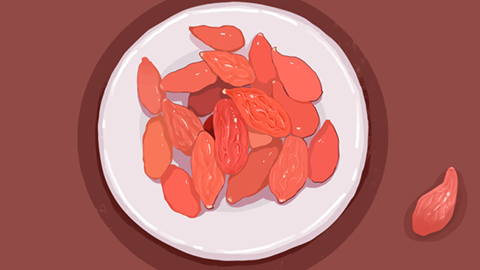
However, individuals with a constitution characterized by “dry-heat” or “yin deficiency with hyperactivity of fire” may develop internal heat if they consume goji berry–infused water over an extended period. Similarly, those with robust constitutions who tend to experience internal heat after eating spicy or greasy foods—or individuals who are naturally slender—may be more prone to internal heat when regularly drinking goji berry–infused water. Prolonged, high-dose intake of goji berries by slender, yin-deficient individuals may likewise trigger symptoms of internal heat.

If symptoms of internal heat arise—such as dry mouth and throat, increased eye discharge, or constipation—discontinue use for a period, then resume later as appropriate. We hope this information proves helpful to you.


